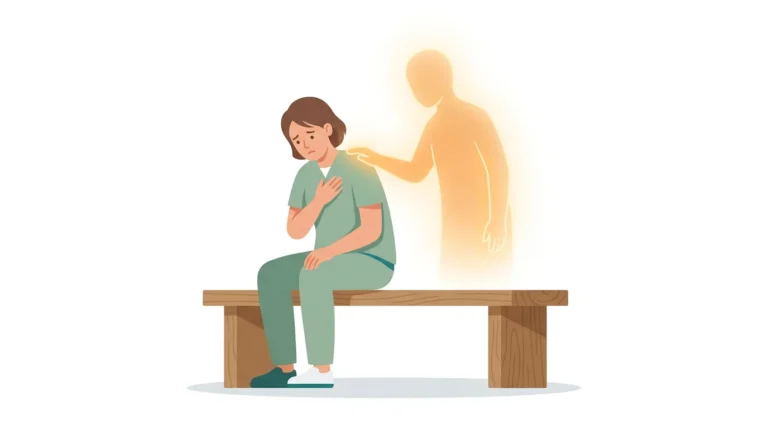




Nursing is meaningful, skilled work—but it is also emotionally intense and physically demanding. Long shifts, short staffing, high patient acuity, moral distress, and constant interruptions can build up over time, leading to chronic stress, fatigue, anxiety, and burnout.
This guide focuses on mental health support for nurses with practical, realistic strategies for nurse stress management—things you can do during a shift, after work, and over the long term, plus when to seek additional help.
Why nurses are at higher risk for stress and fatigue
Stress in nursing isn’t just “being busy.” It’s often a mix of:
- Workload + time pressure (too much to do, too little time)
- Emotional labor (supporting patients and families through fear, pain, loss)
- Moral distress (knowing the right thing but being unable to do it due to constraints)
- Shift work (sleep disruption, circadian rhythm strain)
- Physical demands (lifting, standing, skipped breaks)
- Constant vigilance (high responsibility with low room for error)
Over time, untreated stress can become burnout—often showing up as emotional exhaustion, detachment, reduced empathy, or feeling ineffective.
Practical nurse stress management strategies (that actually fit real shifts)
1) Use “micro-resets” during your shift (30–90 seconds)
You don’t always get a long break—but a short reset can reduce stress spikes.
Try one:
- Box breathing: inhale 4, hold 4, exhale 4, hold 4 (repeat 3–4 rounds)
- Physiological sigh: inhale through nose, top-up inhale, long exhale (2–3 times)
- Grounding: name 5 things you see, 4 you feel, 3 you hear, 2 you smell, 1 you taste
Why it works: it signals safety to your nervous system and lowers immediate stress response.
2) Protect hydration + fueling like it’s part of patient safety
Skipped meals and dehydration directly worsen irritability, brain fog, and fatigue.
Simple, doable systems:
- Keep a water bottle at a consistent “safe spot”
- Bring high-protein snacks you can eat quickly (nuts, yogurt, protein bar)
- Use a “two-bite rule” when slammed: two bites now, two later
Goal: steady blood sugar and fewer energy crashes.
3) Reduce cognitive overload with checklists and “external brain” notes
Nurses carry a huge mental load. Offload what you can:
- Use a consistent report sheet template
- Make a top 3 priorities list per patient early in the shift
- Cluster tasks (meds + lines + assessments when appropriate)
- Use short “next action” notes instead of holding everything in working memory
Benefit: fewer missed steps and less anxiety from feeling “behind.”
4) Build tiny boundaries that prevent emotional exhaustion
Compassion doesn’t mean absorbing everything.
Examples of healthy boundaries:
- A short internal phrase: “I can care deeply without carrying this home.”
- Limit rumination: set a 5-minute debrief window, then shift to recovery
- Don’t over-explain apologies for things outside your control (staffing, delays)
Why it helps: boundaries reduce emotional depletion while preserving empathy.
5) Post-shift decompression: a 10–20 minute “transition ritual”
Instead of going from high-alert to home instantly, create a transition:
- Change clothes ASAP (signals “work is done”)
- Short walk, stretching, or shower
- Music/podcast on commute (something familiar and calming)
- If your mind loops, write a 2-minute brain dump: “What happened / what I did / what can wait”
Outcome: better sleep and less carryover stress.
Practical fatigue management for nurses (sleep + recovery)
Fatigue is not a character flaw. It’s biology + schedule + workload.
1) Improve sleep quality (even when sleep time is limited)
- Keep your room cool, dark, quiet
- Use eye mask or blackout curtains for day sleep
- Reduce screens 30 minutes before bed (or use blue light filters)
- If you’re coming off a night shift, use a wind-down routine consistently
2) Use caffeine strategically
- Avoid caffeine in the last 6–8 hours before planned sleep (as possible)
- Consider “caffeine naps” (drink coffee quickly then 15–20 min nap, if feasible)
- Don’t keep increasing caffeine to compensate for chronic sleep debt
3) Recovery on off-days: don’t “overschedule your rest”
Try:
- One genuinely restorative activity (nap, nature walk, yoga, reading)
- One connection activity (friend, family, low-effort social time)
- One “life admin” block so it doesn’t spill into the whole day
Mental health support for nurses: when self-care isn’t enough
Sometimes stress becomes more than “manageable.” Consider reaching out if you notice:
- Persistent anxiety, sadness, or irritability for 2+ weeks
- Trouble sleeping most days
- Panic symptoms, dread before shifts
- Increased alcohol/substance use to unwind
- Feeling numb, detached, or hopeless
- Thoughts of self-harm (urgent—seek immediate help)
Support options:
- Employee assistance programs (EAP), if available
- A therapist experienced in healthcare worker stress
- Peer support groups (unit-based or external)
- Your primary care clinician for sleep/anxiety screening and referrals
If you ever feel unsafe, seek immediate local emergency support. (If you tell me your location/state, I can suggest the right type of local resources to look for.)
Team and leadership actions (because this isn’t only on the nurse)
Individual strategies help, but systems matter too. Practical unit-level supports include:
- Protected breaks and fair assignments
- Debriefs after difficult events
- No-retaliation culture for speaking up
- Adequate staffing and float support
- Training for charge nurses on workload triage and conflict resolution
Reducing nurse stress is also patient safety work.
Quick “start today” plan (simple and realistic)
If you want a minimal plan you can start immediately:
- Pick one micro-reset to use once per shift
- Pack two fast snacks + water bottle
- Create a 10-minute post-shift transition (walk/shower/stretch)
- Do one sleep-support step (mask, blackout, cool room, consistent routine)
Small changes add up when repeated.
Conclusion
Mental health support for nurses should be practical, stigma-free, and built into real life—not perfection. Managing stress and fatigue is a mix of in-shift coping skills, recovery habits, and asking for support when needed. You deserve the same care you give to others.