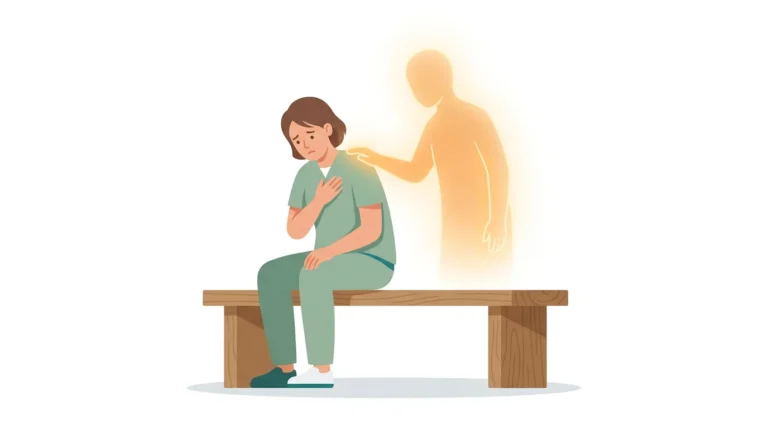




Nurse burnout is not a personal weakness—it’s a systemic challenge that affects the entire healthcare industry. Long shifts, emotional demands, staffing shortages, and the weight of life-or-death decisions take a real toll. Yet many nurses feel trapped between their commitment to patients and their own wellbeing, unsure how to find balance in an inherently demanding profession.
The good news? Burnout is preventable. While systemic changes are necessary, there are tangible strategies nurses can implement right now to protect their mental health, improve job satisfaction, and sustain their careers. Let’s explore practical approaches to preventing burnout while maintaining the high standards of patient care that define nursing.
Understanding Nurse Burnout: Why It Happens
Before diving into prevention strategies, it’s important to understand what burnout actually is. Burnout isn’t simply being tired—it’s a state of emotional, physical, and mental exhaustion characterized by three key elements:
- Emotional Exhaustion: Feeling drained, depleted, and unable to replenish emotional resources after work
- Depersonalization: Developing a cynical or detached attitude toward patients and work, treating interactions as transactional rather than relational
- Reduced Personal Accomplishment: Feeling that your work is ineffective or meaningless, despite your best efforts
The nursing profession is particularly vulnerable to burnout because of the perfect storm of conditions: unpredictable schedules, exposure to human suffering, administrative burdens, staffing ratios that force compromises in care, and the emotional labor of supporting patients during their most vulnerable moments.
Burnout Prevention Strategy #1: Master Your Schedule and Boundaries
Reclaim Control Over Your Time
One of the most significant burnout triggers is feeling loss of control. While you can’t control patient acuity or emergency admissions, you can control how you approach your schedule.
- Negotiate shift preferences strategically: If you’re a night shift person, stick with nights. If you need consistency, fight for regular schedules rather than constantly rotating. Consistency reduces cognitive burden and improves sleep quality.
- Use your PTO intentionally: Don’t hoard vacation days. Research shows that nurses who take regular time off have better burnout resistance. Schedule breaks before you’re desperate for them.
- Set clear boundaries between work and home: When your shift ends, mentally clock out. Avoid checking work emails at home or bringing work stress into your personal time. The mental separation is crucial for recovery.
- Say no without guilt: Declining extra shifts occasionally is not abandoning your colleagues—it’s maintaining your sustainability. Overwork is a major burnout accelerant.
Create a Personal Recovery Ritual
After an emotionally demanding shift, you need a deliberate wind-down period. This isn’t self-indulgence; it’s essential maintenance. Some nurses find success with:
- A 20-minute walk or light exercise to decompress
- Journaling about difficult cases to process emotions
- Talking with trusted colleagues who understand the work
- Meditation or deep breathing exercises
- Completely disconnecting from healthcare content for a few hours
Burnout Prevention Strategy #2: Build and Strengthen Your Support Network
Lean on Your Nursing Community
Burnout thrives in isolation. One of the most protective factors is a strong support network of people who genuinely understand what you’re experiencing. Your colleagues aren’t just coworkers—they’re fellow travelers in this demanding profession.
- Create peer support groups: Whether formal or informal, regular conversations with nurses facing similar challenges normalize the struggle and provide practical solutions.
- Find a mentor or mentee relationship: Teaching newer nurses about your experience provides meaning and connection. Being mentored by senior nurses provides wisdom and perspective.
- Participate in professional organizations: Organizations like the Pennsylvania Nurses Association offer community, professional development, and advocacy opportunities that reinforce your professional identity beyond the bedside.
- Don’t internalize silence: Burnout often involves shame (“I should be able to handle this”). Breaking silence with trusted colleagues reveals how universal these feelings are.
Cultivate Professional Relationships That Matter
The relationships you build at work significantly impact job satisfaction. This includes relationships with physicians, nurse practitioners, and other members of the care team. When these relationships are characterized by mutual respect and smooth collaboration, work becomes more manageable.
In healthcare environments where interdisciplinary collaboration is seamless and well-coordinated, nurses report lower burnout rates. This is why models that streamline professional partnerships and reduce friction in collaborative workflows can indirectly support burnout prevention. When you’re not spending energy navigating complicated practice arrangements or unclear collaborative structures, you can redirect that effort toward patient care and self-care.
Burnout Prevention Strategy #3: Find Meaning and Purpose in Your Work
Reconnect with Why You Became a Nurse
Burnout doesn’t just come from hard work—it comes from hard work that feels meaningless. Somewhere in the exhaustion of multiple 12-hour shifts, it’s easy to lose sight of the profound impact you have on patients’ lives.
- Regularly reflect on patient outcomes: Remember the discharge you facilitated, the family member who thanked you, the patient who improved under your care. These moments matter.
- Engage in purposeful work when possible: If you have choice in assignments, occasionally seek cases aligned with your passion (education-focused patients, specific populations you connect with).
- Pursue professional development: Taking a certification course, learning new skills, or moving into a specialty area can reignite enthusiasm and provide growth.
- Consider alternative nursing roles: If bedside nursing has become unsustainable, explore other nursing paths: education, research, management, community health, occupational health. Your nursing license opens many doors.
Burnout Prevention Strategy #4: Manage the Controllable Work Environment
Reduce Preventable Stress
While you can’t control patient volume or acuity, you can reduce unnecessary organizational stress:
- Streamline your workflow: Organize your workspace to minimize time spent hunting for supplies or information. Small efficiencies add up.
- Become proficient with technology: EHR frustration is a real burnout driver. Investing time in mastering your documentation system reduces daily friction.
- Advocate for systems improvements: When processes are broken, speak up. Sometimes systemic changes prevent burnout better than individual coping strategies.
- Clarify role expectations: Confusion about responsibilities breeds stress. Ensure you understand your role, the protocols you’re expected to follow, and the support available to you.
Burnout Prevention Strategy #5: Prioritize Physical and Mental Health
The Body-Mind Connection in Burnout
Burnout affects your entire being. Protecting your health is a direct investment in burnout prevention:
- Prioritize sleep: Sleep deprivation amplifies emotional reactivity and reduces resilience. Protect your sleep as fiercely as your patients’ safety.
- Move your body regularly: Exercise isn’t about fitness; it’s about stress management. Even 30 minutes of walking several times weekly reduces burnout symptoms significantly.
- Eat intentionally: Shift work makes nutrition chaotic. Planning healthy snacks and meals prevents the energy crashes that amplify burnout.
- Seek mental health support: Talking to a therapist isn’t a sign of weakness—it’s evidence-based burnout prevention. Many therapists understand healthcare worker burnout specifically.
- Know the warning signs: Increased substance use, sleep disturbances, irritability, cynicism, and withdrawal from relationships are burnout indicators. Address them early rather than waiting for crisis.
Critical Insight: Burnout prevention is not primarily about positive thinking or individual resilience. It’s about practical strategies that reduce exposure to burnout triggers, increase autonomy and control, build supportive relationships, and sustain meaning in your work.
Creating Sustainable Practice Environments
While individual strategies are essential, it’s important to acknowledge that systemic factors significantly influence burnout rates. Adequate staffing, reasonable nurse-to-patient ratios, support for professional development, and organizational cultures that value nurse wellbeing aren’t luxuries—they’re burnout prevention fundamentals.
When healthcare organizations invest in collaborative, well-coordinated practice environments where nurses work alongside physicians and nurse practitioners in clear, supportive relationships, the entire system functions better. Smooth interdisciplinary collaboration reduces the friction and confusion that contribute to burnout.
For Nurse Practitioners specifically, platforms like NP Collaborator that facilitate clear, efficient collaborating physician relationships remove administrative friction from practice. When collaborative arrangements are straightforward and legally clear, NPs can focus on patient care rather than navigating complex partnership logistics. This benefits the entire care team, including nurses, by creating clearer, more efficient workflows.
The Path Forward
Nurse burnout is real, significant, and preventable. The strategies in this article aren’t about working harder or developing thicker skin. They’re about working smarter, protecting your wellbeing, and maintaining the boundaries and support systems necessary for sustainable nursing practice.
Start with one strategy that resonates most with you. Maybe it’s setting better boundaries, seeking peer support, or reconnecting with your purpose. Once that becomes habitual, add another. Burnout prevention isn’t an all-or-nothing proposition—it’s a series of intentional choices that, collectively, protect your long-term sustainability in this profound profession.
You entered nursing because you wanted to make a difference in people’s lives. That calling is still there, even on the hardest days. By implementing burnout prevention strategies, you’re not being selfish—you’re ensuring that your compassion and skill remain available to the patients who need them for as long as possible.
Your Next Step: Choose one burnout prevention strategy to implement this week. Perhaps it’s setting a firm boundary around work emails after hours, scheduling a conversation with a trusted colleague, or booking that first therapy session. Small, consistent actions compound into sustainable change. You’ve got this.