



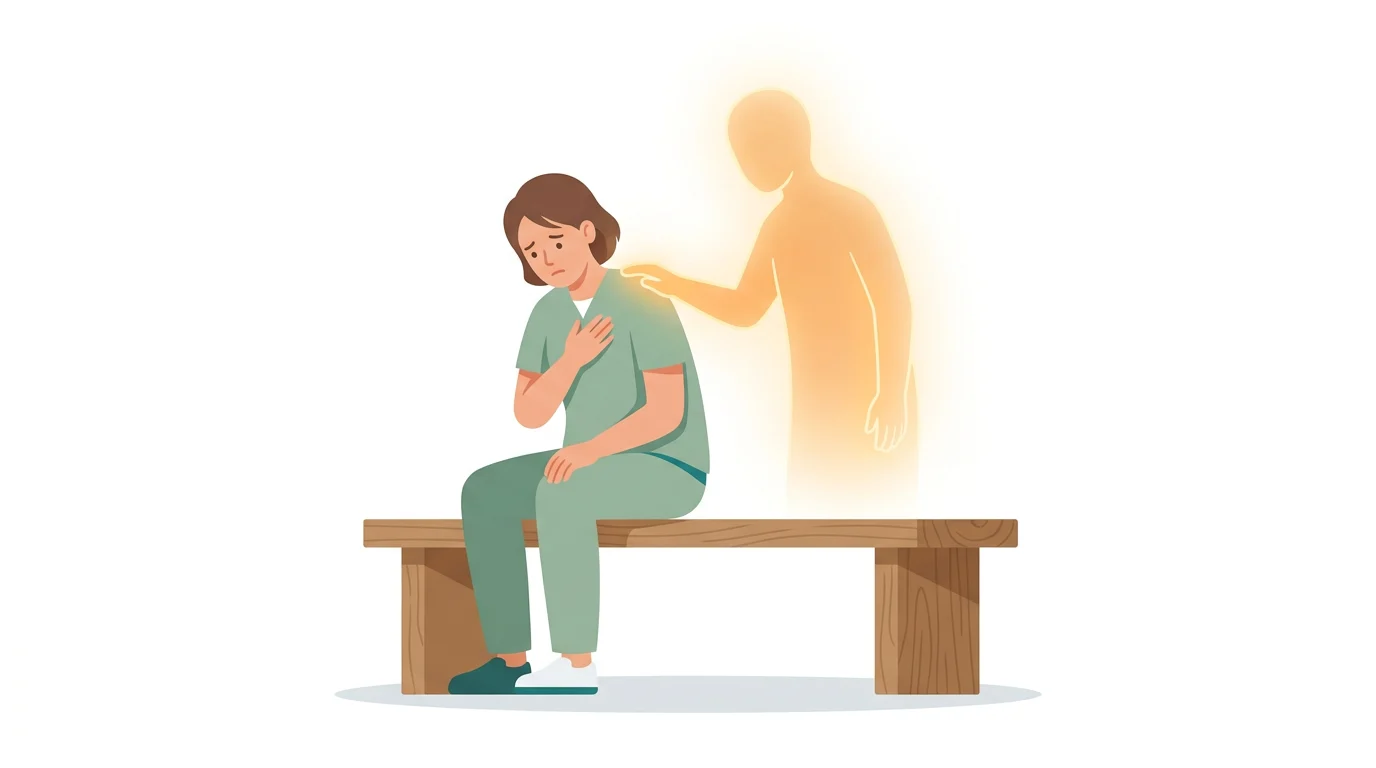
Nursing is one of the most demanding professions in healthcare — physically, emotionally, and mentally. Nurses carry the weight of patient outcomes, long shifts, staffing shortages, and the constant pressure to provide compassionate care under difficult conditions. It is no surprise that burnout has become one of the most serious challenges facing the profession.
Burnout is not simply “being tired.” It is a state of chronic physical, emotional, and mental exhaustion that develops when the demands of the job consistently outweigh the resources available to manage them. Left unaddressed, it can affect patient safety, career longevity, and the nurse’s own health and well-being.
The good news is that burnout can be recognized early and addressed effectively. Understanding the warning signs — and having practical recovery strategies — can make the difference between a sustainable career and one that ends prematurely.
What Burnout Looks Like in Nursing
Burnout does not happen overnight. It builds gradually, often over months or years, and it can be difficult to recognize in yourself even when it is obvious to others. The signs fall into several categories.
Emotional Signs
Nurses experiencing burnout often describe feeling emotionally drained, detached, or numb. The empathy that once came naturally may feel forced. A nurse who used to feel deeply connected to patients may begin to feel indifferent or even resentful of the demands placed on them.
Irritability, cynicism, and a sense of hopelessness are common. So is a feeling of being unappreciated or that the work no longer has meaning. Some nurses describe feeling like they are “going through the motions” — completing tasks competently but without the emotional engagement that once defined their practice.
Physical Signs
Chronic exhaustion is the hallmark of burnout, but it often shows up in physical ways that are easy to dismiss. Headaches, muscle tension, digestive problems, and frequent illness can all be signs that the body is under prolonged stress.
Sleep problems are especially common. Nurses may struggle to fall asleep, wake frequently, or feel unrefreshed even after a full night’s rest. Fatigue that does not improve with time off is a red flag.
Behavioral Signs
Burnout changes how nurses show up at work. They may call in sick more often, arrive late, or leave as soon as their shift allows. They may withdraw from colleagues, avoid social interactions, or stop participating in activities they once enjoyed.
Some nurses cope by working more — taking extra shifts, volunteering for overtime, or staying late — in an attempt to feel in control. Others disengage entirely, doing the minimum required and avoiding any additional responsibility.
Cognitive Signs
Burnout affects concentration, memory, and decision-making. Nurses may find it harder to focus, make more errors, or second-guess themselves. They may feel mentally foggy or struggle to keep track of multiple patients and tasks.
This is one of the most dangerous aspects of burnout, because it directly affects patient safety. A nurse who is cognitively impaired by exhaustion is more likely to make medication errors, miss important changes in a patient’s condition, or fail to communicate effectively with the care team.
The Early Warning Signs to Watch For
Burnout is easier to address when it is caught early. These are some of the earliest signs that a nurse may be heading toward burnout:
- Dreading going to work, even on days off.
- Feeling exhausted before a shift even begins.
- Becoming easily frustrated with patients, families, or colleagues.
- Losing interest in professional development or advancement.
- Feeling that the work has lost its meaning.
- Withdrawing from coworkers and social activities.
- Using food, alcohol, or other substances to cope with stress.
- Experiencing frequent headaches, stomach problems, or other stress-related symptoms.
- Having trouble sleeping or feeling unrefreshed after rest.
- Noticing an increase in minor mistakes or lapses in concentration.
If several of these signs are present, it is worth taking them seriously. Early intervention is far more effective than trying to recover after burnout has fully taken hold.
Why Nurses Are Especially Vulnerable
Burnout is not a personal failing. It is a predictable response to a demanding environment, and nurses face a unique combination of risk factors.
Staffing Shortages
Understaffing means fewer nurses carrying heavier patient loads. It also means less time for breaks, documentation, and the kind of unhurried care that makes nursing meaningful. When nurses cannot provide the level of care they know patients need, moral distress builds.
Emotional Labor
Nursing requires constant emotional engagement. Nurses support patients and families through some of the most difficult moments of their lives — serious diagnoses, painful treatments, and death. Providing that support while managing their own emotions is exhausting.
Lack of Control
Nurses often have little control over their schedules, patient assignments, or the systems they work within. When people feel they cannot influence the conditions of their work, stress increases and burnout risk rises.
Shift Work and Sleep Disruption
Rotating shifts, night shifts, and long hours disrupt circadian rhythms and make quality sleep difficult. Chronic sleep deprivation compounds the physical and cognitive effects of stress.
Exposure to Trauma
Nurses regularly witness suffering, loss, and traumatic events. Without adequate support and debriefing, this exposure accumulates and can lead to secondary traumatic stress alongside burnout.
Recovery Strategies That Actually Work
Recovery from burnout is possible, but it requires more than a vacation. It requires intentional changes at both the individual and organizational level.
1. Acknowledge the Problem
The first step in recovery is recognizing that burnout is real and that it is not a sign of weakness. Many nurses push through because they believe they should be able to handle it, or because they fear being seen as unable to cope.
Naming the problem — to yourself, to a trusted colleague, or to a professional — is the beginning of recovery. It shifts the focus from “what is wrong with me” to “what is happening in my work and how can I address it.”
2. Prioritize Sleep
Sleep is not optional. It is the foundation of physical and emotional resilience. For nurses, protecting sleep often requires deliberate effort.
This may mean setting boundaries around shift schedules, creating a dark and quiet sleep environment, using consistent wind-down routines, and being honest about how much recovery time is actually needed between shifts. It may also mean saying no to extra shifts when the body needs rest.
3. Build a Support Network
Burnout thrives in isolation. Connecting with colleagues who understand the work can provide validation, perspective, and practical support.
Peer support groups, mentorship relationships, and even informal check-ins with trusted coworkers can help. For some nurses, professional counseling or therapy is essential — and it should be seen as a sign of strength, not weakness.
4. Reconnect With Meaning
Burnout often involves a loss of meaning. Reconnecting with why you entered nursing in the first place can be a powerful recovery tool.
This might mean spending time in the areas of nursing you find most fulfilling, mentoring newer nurses, or reflecting on the patients and moments that made a difference. It can also mean finding ways to use your skills outside the clinical setting — through education, advocacy, or leadership.
5. Set Boundaries
Nurses are trained to give, and many struggle to say no. But sustainable practice requires boundaries — around shifts, extra responsibilities, and the emotional energy given to work.
This does not mean caring less. It means recognizing that you cannot pour from an empty cup)Skip to content. Setting limits protects the energy you need to provide good care.
6. Use Your Time Off Intentionally
Time off is only restorative if it is actually restful. A week of vacation spent worrying about work, or filled with obligations, will not help.
Use time off to do things that genuinely recharge you — whether that is time with family, physical activity, creative pursuits, or simply rest. Leave work at work, and resist the urge to check emails or call the unit.
7. Seek Organizational Support
Individual strategies are important, but they are not enough if the work environment itself is unsustainable. Nurses should advocate for the changes that reduce burnout risk: adequate staffing, reasonable schedules, access to mental health resources, and a culture that supports speaking up about stress.
Many organizations now offer employee assistance programs, wellness initiatives, and peer support programs. These resources exist to be used. If your organization does not offer adequate support, consider whether it is the right environment for your long-term well-being.
What Organizations Can Do
Burnout is not just an individual problem — it is a systemic one. Healthcare organizations have a responsibility to create environments where nurses can sustain their careers.
Effective organizational strategies include:
- Ensuring safe staffing levels and reasonable patient-to-nurse ratios.
- Providing predictable, humane schedules that allow for adequate rest.
- Offering accessible mental health support, including counseling and debriefing after traumatic events.
- Creating a culture where nurses can speak openly about stress without fear of judgment or retaliation.
- Recognizing and valuing the work nurses do, beyond the occasional token of appreciation.
- Involving nurses in decisions that affect their work.
When organizations invest in nurse well-being, they see the return in lower turnover, better patient outcomes, and a more stable workforce.
When to Seek Professional Help
There is a difference between burnout and clinical depression, but the two can overlap. If you are experiencing persistent sadness, loss of interest in things you once enjoyed, thoughts of self-harm, or an inability to function in daily life, it is important to seek professional help.
Nurses are often the last to ask for help. But reaching out is not a sign of failure — it is a sign of self-awareness and strength. Your ability to care for others depends on your willingness to care for yourself.
Conclusion
Burnout in nursing is widespread, but it is not inevitable, and it is not permanent. By recognizing the early warning signs, taking intentional steps to recover, and advocating for healthier work environments, nurses can build sustainable careers that last.
The work nurses do matters. Protecting the people who do that work matters just as much. If you are a nurse struggling with burnout, know that you are not alone — and that recovery is possible. Start with one small step: acknowledge what you are feeling, protect your sleep, reach out to someone you trust, and give yourself permission to take care of yourself the way you take care of others.