



As we move further into the decade, the stethoscope and the keyboard have become equally vital tools in a nurse’s arsenal. In the high-stakes environment of modern healthcare, “digital literacy” is no longer just a buzzword; it is a core clinical competency. From navigating complex Electronic Health Records (EHR) to interpreting real-time patient data from wearable devices, a nurse’s ability to interact with technology directly impacts patient safety, care coordination, and workplace efficiency.
Building these skills requires more than just learning a new software—it requires a commitment to professional development. For those looking to elevate their practice through expert collaboration and leadership, NP Collaborator offers a streamlined way to log in and access a matching Nurse Practitioner service that values tech-savvy clinicians and forward-thinking practice models.
Here is a guide to the essential tech skills every nurse needs to thrive in today’s digital-first healthcare landscape:
1. Mastery of EHR and Digital Documentation
Electronic Health Records (EHR) are the backbone of clinical informatics. Digital literacy starts with EHR proficiency—understanding how to document with precision, navigate medical history quickly, and use clinical decision support tools. Accurate digital documentation ensures that the entire care team has a “single source of truth,” reducing medical errors and improving transitions of care.
2. Data Interpretation and Analytical Thinking
Modern healthcare generates a mountain of data. Today’s tech-savvy nurse must be able to do more than just enter numbers; they must interpret data patterns. Whether it’s monitoring trends in a patient’s vital signs from a remote monitoring system or analyzing unit-wide outcomes, the ability to turn raw data into actionable clinical insights is a key technology competency.
3. Telehealth and Virtual Care Etiquette
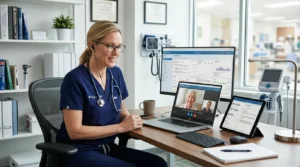
The shift toward virtual care requires a specific set of digital “soft skills.” Nurses must be comfortable troubleshooting basic connectivity issues for patients, managing virtual triage, and maintaining a high standard of “webside manner.” Proficiency in telehealth platforms allows nurses to extend their reach to rural or homebound populations effectively.
4. Understanding Clinical Informatics and Interoperability
Digital literacy includes understanding how different systems talk to each other. When a nurse understands the basics of clinical informatics, they can better advocate for systems that work for clinicians rather than against them. Knowing how data flows from the lab to the pharmacy to the bedside terminal is essential for seamless practice.
5. Cybersecurity and Patient Privacy
In a digital world, patient advocacy includes protecting patient data. Every nurse must be well-versed in cybersecurity basics—recognizing phishing attempts, securing passwords, and understanding the HIPAA implications of digital communication. Being tech-savvy means knowing that a data breach is just as dangerous to a patient as a clinical error.
6. Information Literacy: Evaluating Online Resources
Patients often come to their appointments with information found online. A digitally literate nurse can quickly evaluate the credibility of online health resources and guide patients toward evidence-based information. This skill is critical for combating health misinformation and promoting digital health equity.
7. Adapting to Emerging Health Tech
From AI-assisted diagnostics to automated medication dispensing systems, the tools of nursing are constantly changing. The most important tech skill is a “growth mindset”—the willingness to learn and adapt to new technology as it is introduced. By staying curious and proactive, nurses ensure they remain at the forefront of modern healthcare.
Collaborative Growth
Becoming a leader in digital nursing often means seeking out the right partnerships. By utilizing the NP Collaborator login, practitioners can find matching services that pair them with collaborative partners who understand the importance of technology-driven care. When nurses and nurse practitioners lead the charge in digital literacy, the entire healthcare system becomes more efficient, safer, and more patient-centered.