

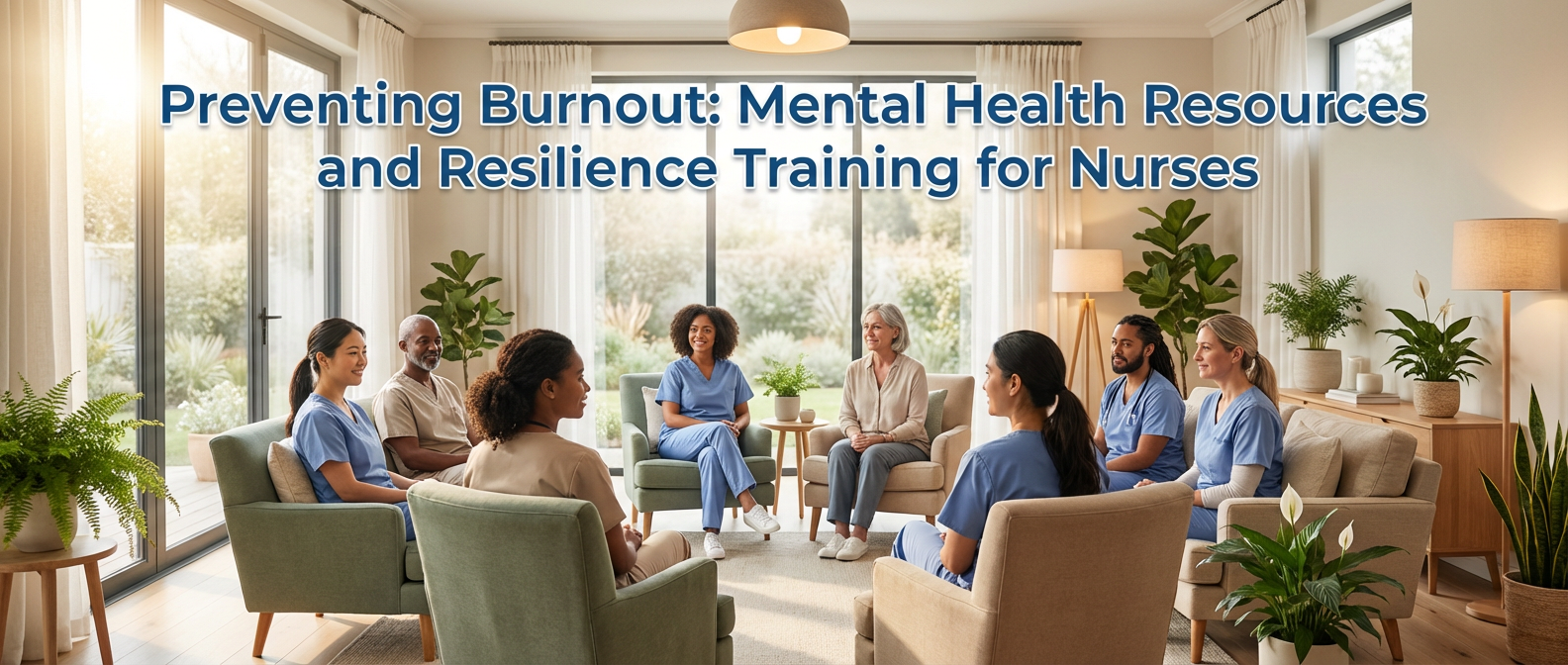
Understanding the Crisis: Why Nursing Mental Health Matters
The nursing profession stands at the intersection of compassion, dedication, and extraordinary challenge. Today, more than ever, nurses face unprecedented pressure that directly impacts their well-being and job satisfaction. Nurse burnout prevention and nursing mental health have become critical priorities for healthcare organizations and individual practitioners alike.
Nurses are the backbone of healthcare delivery, often working long shifts, managing life-and-death situations, and providing emotional support to vulnerable patients and families. This noble calling, however, comes with a significant personal cost. Research consistently demonstrates that nursing professionals experience higher rates of burnout, anxiety, and depression compared to the general population. Without proactive intervention and support, these challenges can lead to compromised patient care, staff turnover, and diminished quality of life.
This comprehensive wellness guide provides evidence-based strategies, practical resources, and actionable approaches to prevent nurse burnout, enhance your mental health as a nurse, and build lasting resilience. Whether you’re experiencing early signs of burnout or seeking to strengthen your emotional resilience, this guide offers valuable insights tailored specifically to nursing professionals.
Understanding Nurse Burnout and Compassion Fatigue
Burnout in nursing is not simply feeling tired or stressed—it’s a complex syndrome characterized by emotional exhaustion, depersonalization, and reduced personal accomplishment. Compassion fatigue, closely related to burnout, develops when nurses continuously expose themselves to others’ suffering without adequate recovery and support.
The Burnout Spectrum
Nurse burnout exists on a spectrum, typically progressing through distinct stages. Early-stage burnout may manifest as increased irritability and reduced enthusiasm for work. As burnout progresses, nurses often experience emotional detachment from patients and decreased motivation. Left unaddressed, severe burnout can lead to complete emotional exhaustion and consideration of leaving the profession entirely.
The factors contributing to burnout are multifaceted and include staffing shortages, excessive workload, administrative burden, lack of autonomy, insufficient compensation, and limited support systems. Understanding these contributing factors is the first step toward developing effective coping strategies and advocating for systemic change.
Key Insight: Compassion fatigue develops specifically from the emotional labor of caring for suffering patients. It differs from general burnout by emphasizing the empathic response to patient suffering as the primary stressor.
Recognizing the Signs and Symptoms
Early recognition of burnout and compassion fatigue is essential for intervention. Many nurses underestimate or minimize their symptoms, attributing them to normal job stress. However, persistent patterns warrant professional attention and self-care intervention.
Physical and Emotional Indicators
- Physical symptoms: Chronic fatigue, sleep disturbances, headaches, muscle tension, and frequent illness due to compromised immune function
- Emotional symptoms: Anxiety, depression, irritability, emotional numbness, and difficulty managing emotions at work and home
- Behavioral changes: Increased use of alcohol or substances, social withdrawal, increased cynicism, and detachment from colleagues
- Performance indicators: Decreased quality of patient care, more medical errors, difficulty concentrating, and reduced job satisfaction
Personal and Relational Impact
Burnout doesn’t remain confined to the workplace. Many nurses report strained relationships with family and friends, reduced engagement in previously enjoyed activities, and a pervasive sense of hopelessness about the future. [LINK SUGGESTION: Connect to “Building Emotional Support Systems” section] recognizing these impacts early allows for intervention before they become entrenched patterns.
Mental Health Resources Available to Nurses
Nursing mental health support has never been more accessible. Organizations and healthcare systems are increasingly recognizing their responsibility to provide comprehensive mental health resources to nursing staff.
Professional Mental Health Support
- Employee Assistance Programs (EAP): Most healthcare organizations offer confidential counseling services, often including free sessions for employees and their families
- Therapists specializing in healthcare worker burnout: Mental health professionals with experience in nursing and healthcare culture provide targeted, relevant support
- Psychiatric services: Available when medication management or intensive mental health care is necessary
- Support groups: Nurse-specific support groups, both in-person and virtual, create communities of understanding and shared experience
Organization-Based Resources
Many healthcare facilities now offer wellness programs including mental health awareness workshops, stress reduction classes, meditation sessions, and peer support programs. Additionally, professional nursing organizations provide resources, advocacy, and community connections. [LINK SUGGESTION: Connect to pennanurses.org resources and member benefits]
Online and Self-Directed Resources
Digital wellness tools include:
- Meditation and mindfulness apps designed for healthcare workers
- Mental health crisis hotlines and text-based support services
- Webinars and online courses focused on stress management and burnout recovery
- Peer support communities and professional forums
Resilience Training and Building Emotional Strength
Resilience training focuses on developing psychological flexibility, adaptive coping strategies, and emotional strength. For nurses, resilience is not about “toughening up” but rather developing sustainable practices that protect mental health while maintaining compassion.
Core Components of Resilience
Emotional Awareness and Regulation
Understanding your emotional responses and developing the ability to manage them effectively is fundamental to resilience. This involves recognizing emotional triggers specific to nursing—such as patient loss, family conflicts, or system failures—and having tools to process these emotions constructively rather than suppressing them.
Cognitive Flexibility
Resilient nurses develop the ability to reframe challenging situations and maintain perspective. This doesn’t mean ignoring problems but rather approaching them with problem-solving orientation rather than helplessness. Cognitive behavioral techniques help identify unhelpful thought patterns and develop more balanced perspectives.
Social Connection
Building and maintaining strong relationships with colleagues, friends, and family provides crucial emotional buffering against burnout. Isolation intensifies mental health challenges, while connection fosters resilience and provides practical support.
Resilience Principle: Resilience is not a fixed trait but a set of skills and practices that can be developed and strengthened over time. Regular practice of resilience-building strategies creates sustainable mental health protection.
Stress Management Techniques for Daily Practice
Effective stress management requires integrating practical techniques into daily routines. Rather than viewing stress management as an add-on, consider it a necessary component of professional nursing practice.
Breathing and Mindfulness Practices
Simple breathing techniques can be practiced during breaks or before challenging situations. Box breathing (4-4-4-4 count), diaphragmatic breathing, and body scan meditation activate the parasympathetic nervous system, counteracting the stress response. Even five minutes of mindful practice can significantly reduce acute stress.
Physical Movement and Exercise
Regular physical activity is one of the most effective stress management interventions. Exercise reduces stress hormones, improves sleep quality, enhances mood through endorphin release, and builds physical resilience. This doesn’t require intensive training—walking, yoga, dancing, or any enjoyable movement activity provides benefits.
Boundary Setting and Work-Life Balance
Protecting personal time is essential for recovery and preventing burnout. This includes setting boundaries around shift extensions, establishing offline hours after work, and protecting vacation time. Healthy boundaries are not selfish; they enable you to provide better patient care and maintain your own health.
Nutrition, Sleep, and Recovery
Adequate sleep, nutritious eating, and consistent recovery time are foundational for stress resilience. Shift work can disrupt these essentials, making intentional prioritization crucial. Small consistent improvements in sleep hygiene, meal planning, and recovery practices have cumulative protective effects.
Self-Care Nursing Practices and Wellness
Self-care nursing is not indulgent; it’s professional necessity. Nurses who neglect self-care cannot maintain their capacity to care for others effectively. Comprehensive self-care encompasses physical, emotional, social, and spiritual dimensions.
Physical Self-Care
- Maintaining regular sleep schedules when possible
- Nourishing your body with adequate, nutritious food
- Engaging in regular physical activity
- Scheduling preventive healthcare and medical check-ups
- Managing pain and health issues proactively
Emotional and Social Self-Care
- Maintaining connections with loved ones and colleagues
- Engaging in activities that bring joy and fulfillment
- Pursuing hobbies and creative interests
- Seeking counseling or therapy when needed
- Practicing self-compassion and reducing self-criticism
Spiritual Self-Care
Whether through religious practice, nature connection, meditation, or meaning-making activities, spiritual self-care provides perspective and purpose. Many nurses find that reconnecting with the deeper meaning of their work—helping and healing others—provides powerful motivation and sense of purpose that sustains resilience.
Creating Workplace Wellness Initiatives
Workplace wellness programs are most effective when they address systemic factors contributing to burnout, not just individual coping strategies. While personal resilience is important, organizational change is essential.
Individual and Team Initiatives
Beyond waiting for organizational action, nurses can advocate for and create peer-supported wellness initiatives. Peer support committees, wellness champions, and informal support networks can be powerful forces for change. [LINK SUGGESTION: Link to nursing leadership and advocacy resources]
Organizational Recommendations
Forward-thinking healthcare organizations should implement staffing levels that allow for quality care, reduce administrative burden, provide mental health services, create peer support programs, establish wellness committees with nursing representation, offer flexible scheduling options, and invest in professional development and recognition.
Advocacy for Systemic Change
Nursing professional organizations, including [LINK SUGGESTION: Link to Pennsylvania Nurses Association], advocate for policy changes that support nurse wellness at system and legislative levels. Participating in professional organizations amplifies your voice for meaningful change.
Building Emotional Support Systems
Emotional support from colleagues, friends, family, and professionals creates the foundation for managing burnout and compassion fatigue. No nurse should navigate these challenges alone.
Professional Support Networks
Peer support among nurses—particularly from colleagues who share similar experiences—provides validation and practical guidance. Experienced nurses mentoring newer colleagues, interdisciplinary team collaboration, and professional networking create connections that sustain through difficult periods.
Personal Support Systems
Relationships outside nursing provide essential perspective and emotional refuge. Family and friends who understand the demands of nursing can offer crucial support. Investing in these relationships, even when exhausted, provides irreplaceable emotional nourishment.
Professional Mental Health Support
Therapy and counseling provide specialized support for processing trauma, managing anxiety and depression, and developing coping strategies. Seeking professional help is a sign of strength and self-awareness, not weakness.
Prioritizing Your Mental Health: The Path Forward
Preventing burnout and protecting your mental health as a nurse requires acknowledgment of challenges combined with commitment to sustainable practices. This journey involves individual action, peer support, organizational advocacy, and professional commitment.
Starting Your Wellness Journey
You don’t need to implement every strategy simultaneously. Begin with one or two practices that resonate with you: perhaps starting a simple daily breathing practice, scheduling therapy, joining a support group, or having conversations with colleagues about shared experiences. Small consistent steps create momentum and lasting change.
Remember Your Why
Nursing is a calling that requires both professional competence and emotional sustainability. Prioritizing your mental health allows you to continue providing the compassionate, skilled care that drew you to nursing. Your well-being directly impacts patient care quality, colleague morale, and the entire healthcare system.
The path to preventing burnout and building resilience is both personal and collective. By implementing strategies for stress management, engaging with available mental health resources, and contributing to workplace wellness initiatives, you invest in your long-term career satisfaction and well-being.