


The role of nurse practitioners (NPs) continues to expand across the United States, with 2026 bringing another wave of legislative updates that reshape how NPs practice, prescribe, and collaborate. As healthcare systems face ongoing provider shortages and rising patient demand, states are reevaluating long-standing restrictions on NP autonomy.
For practicing NPs, healthcare administrators, and policymakers, understanding these evolving state NP regulations is essential. Changes to scope of practice laws directly influence patient access, care delivery models, and the day-to-day independence of advanced practice providers.
This regulatory update breaks down key trends in NP scope of practice, highlights notable state-level changes, and explores what full practice authority means in real-world settings.
Understanding NP Scope of Practice
NP scope of practice defines what services nurse practitioners are legally allowed to provide within a given state. This includes authority related to:
- Diagnosing and treating patients
- Ordering and interpreting diagnostic tests
- Prescribing medications
- Practicing independently or under supervision
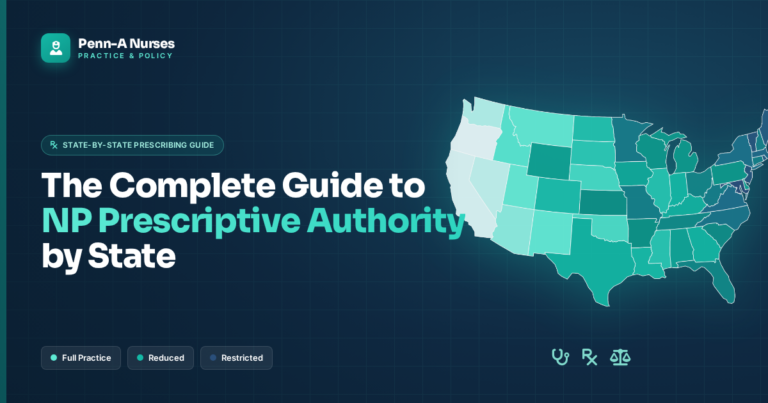
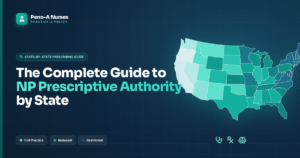
States generally fall into three categories:
- Full Practice Authority (FPA): NPs can evaluate, diagnose, treat, and prescribe independently without physician oversight.
- Reduced Practice: NPs can perform some functions independently but require a collaborative agreement for certain aspects of care.
- Restricted Practice: NPs require physician supervision or delegation for most clinical activities.
Over the past decade, there has been a steady shift toward expanding NP independence, and 2026 continues that trend.
Key Trends in 2026 Legislative Updates
Several overarching trends are shaping NP scope of practice laws this year.
Continued Expansion of Full Practice Authority
More states are adopting or moving toward full practice authority, particularly in response to workforce shortages in primary care and rural health settings. Legislators are increasingly recognizing that NPs can safely provide high-quality care without unnecessary administrative barriers.
Some states that previously required long transition periods or collaborative agreements are now reducing or eliminating those requirements, allowing NPs to practice independently sooner.
Easing of Collaborative Agreement Requirements
In reduced practice states, there is a noticeable shift toward simplifying collaborative agreements. Requirements that once mandated strict physician oversight are being relaxed, allowing for more flexible and less burdensome partnerships.
However, managing these agreements can still be complex. Platforms like npcollaborator.com are becoming valuable resources by helping NPs connect with collaborating physicians, streamline documentation, and maintain compliance with evolving regulations.
Expanded Prescriptive Authority
Prescriptive authority remains a central issue in scope of practice debates. In 2026, several states have updated rules to expand NP authority to prescribe controlled substances or remove additional approval layers.
These changes are particularly impactful in behavioral health, pain management, and primary care, where timely access to medication is critical.
Focus on Rural and Underserved Access
Many legislative updates are tied to improving healthcare access in underserved areas. States are granting greater autonomy to NPs practicing in rural or federally designated shortage areas, recognizing their role as frontline providers.
Notable State-by-State Changes
While the full regulatory landscape is complex, a few patterns stand out across regions:
- Northeastern states continue to lead in adopting full practice authority, with additional refinements to prescriptive autonomy.
- Southern states show gradual movement, often easing collaboration requirements rather than granting full independence outright.
- Western states maintain strong support for NP independence, with updates focused on reducing administrative burdens.
- Midwestern states are mixed, with some expanding autonomy and others maintaining hybrid models.
Because laws vary significantly, NPs must stay informed about their specific state requirements, especially when relocating or practicing across state lines.
Real-World Impact: Practicing with Full Practice Authority
To better understand how these changes affect clinical practice, we spoke with an NP currently practicing in a full practice authority state.
“Having full practice authority allows me to focus entirely on patient care without delays,” the NP shared. “I can make clinical decisions in real time, prescribe necessary medications, and manage treatment plans independently. It reduces administrative friction and improves patient outcomes.”
The NP also noted that autonomy brings increased responsibility.
“You need to be confident in your training and committed to ongoing education. Independence doesn’t mean isolation—you still collaborate with other healthcare professionals, but it’s on a clinical level rather than a regulatory requirement.”
This perspective highlights a key point: full practice authority enhances efficiency without eliminating collaboration.
Navigating Compliance in a Changing Landscape
Even as autonomy expands, compliance remains a critical concern. NPs practicing in reduced or restricted states must still manage collaborative agreements, supervision requirements, and documentation standards.
This is where structured support systems can make a difference. Services like npcollaborator.com help NPs navigate these complexities by offering access to qualified collaborators, compliance tools, and ongoing support tailored to state-specific regulations.
As laws continue to evolve, having reliable infrastructure in place can reduce administrative burden and allow NPs to focus on delivering care.
Challenges That Remain
Despite progress, several challenges persist:
- Variability in state laws creates confusion and limits mobility for NPs
- Some states still impose restrictive supervision requirements
- Administrative complexity can slow adoption of new models
- Misunderstandings about NP capabilities continue to influence policy decisions
Addressing these issues will require continued advocacy, education, and collaboration across the healthcare system.
What This Means for the Future of NP Independence
The trajectory is clear: nurse practitioner autonomy is expanding. As more states adopt full practice authority and modernize outdated regulations, NPs are positioned to play an even larger role in addressing healthcare access gaps.
For healthcare organizations, this shift presents an opportunity to rethink care delivery models, reduce costs, and improve patient outcomes. For NPs, it means greater professional independence, increased responsibility, and new opportunities to lead in clinical practice.
Final Thoughts
The 2026 updates to NP scope of practice laws reflect a broader transformation in healthcare. As states continue to balance safety, access, and efficiency, nurse practitioners are gaining recognition as essential providers capable of delivering high-quality, independent care.
Staying informed about legislative updates, understanding your state’s requirements, and leveraging tools that simplify compliance will be key to thriving in this evolving environment.
Whether practicing under full practice authority or within collaborative frameworks, NPs are at the forefront of a more accessible and patient-centered healthcare system.