
For today’s nurses, going back to school is often essential—whether to earn a BSN, complete an RN to BSN bridge, or advance into an MSN. But with packed shifts, family responsibilities, and unpredictable schedules, the format of your program can matter just as much as the credential itself.
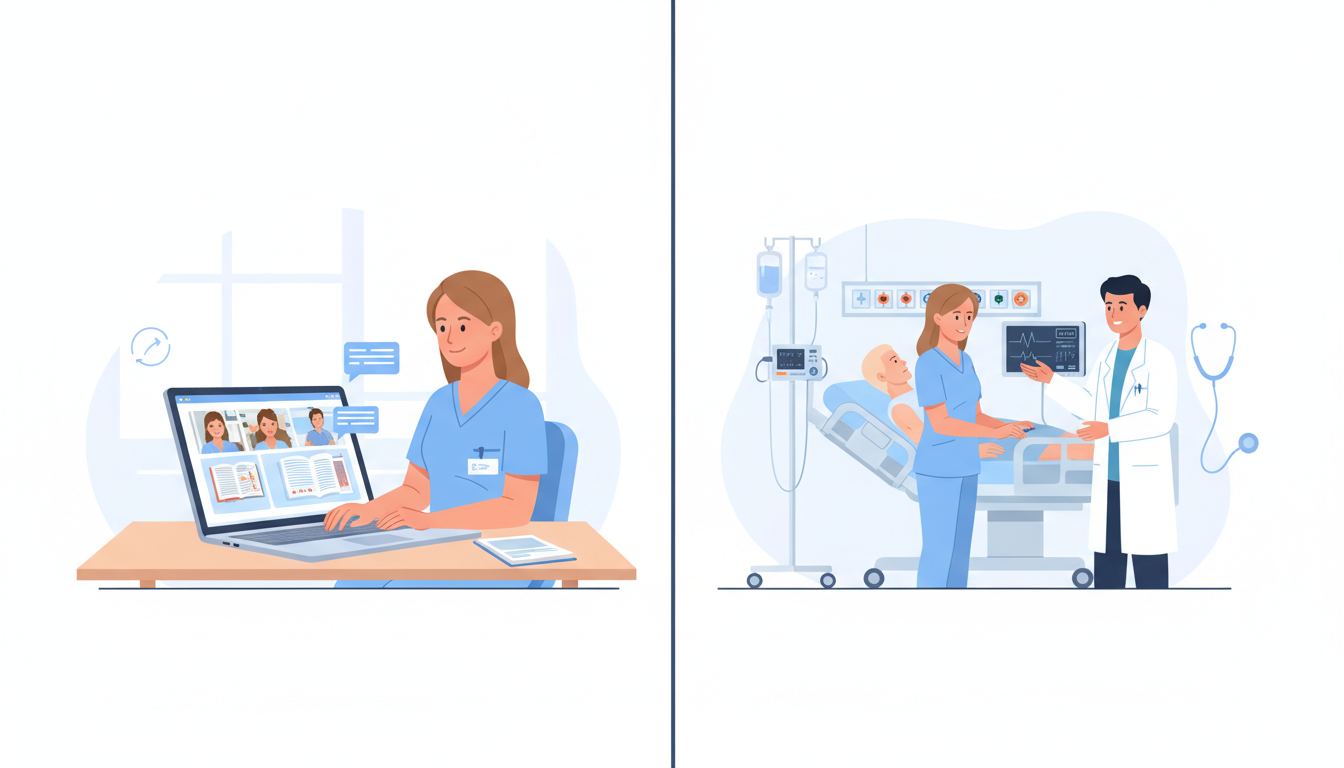
Two of the most popular options are fully online and hybrid nursing programs. Each offers flexibility, but in different ways—and the best choice depends on your learning style, work schedule, and long-term goals.
This comparison guide, inspired by the kind of resources and support professional organizations like pennanurses.org offer to nurses, breaks down the key differences and helps you choose the right path.
Understanding the Two Paths
What Is an Online Nursing Program?
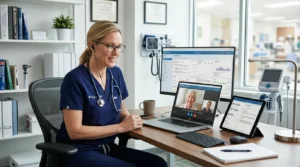
An online nursing program delivers most (and often all) didactic coursework through a virtual platform:
- Lectures via recorded or live video
- Discussion boards instead of in-person seminars
- Online quizzes, exams, and assignments
- Virtual office hours with faculty
For BSN completion (RN to BSN) and many MSN tracks (education, leadership, informatics), clinical requirements may still take place in person at approved healthcare sites—but the classroom learning is primarily online.
Best suited for:
- Working nurses with irregular or night shifts
- Nurses in rural or underserved areas
- Students who need maximum scheduling flexibility
- Self-directed learners comfortable with technology
What Is a Hybrid Nursing Program?
A hybrid nursing program blends online coursework with scheduled in-person components:
- Some lectures and assignments online
- Regular on-campus classes, labs, or simulations
- In-person skills practice and checkoffs
- Traditional clinical rotations in local facilities
The exact mix varies by school—some are mostly online with occasional campus intensives, while others have weekly in-person sessions.
Best suited for:
- Students who value face-to-face interaction
- Learners who benefit from hands-on guidance and structure
- Those living reasonably close to campus
- Nurses who want an online component but not fully virtual
Key Comparison Areas
1. Flexibility for Working Nurses
Online Programs
- Often designed with asynchronous learning (you log in when you can)
- Ideal for full-time working nurses, parents, or those with variable shifts
- Easier to balance overtime, call shifts, and changing schedules
- Some programs may still require synchronous sessions at set times—important to verify before enrolling
Hybrid Programs
- Offer some flexibility, but in-person days are usually fixed
- You may need to request specific days off or consistent shifts from your employer
- Better if your schedule is relatively stable (e.g., 3×12s on set days)
Ask yourself:
Do I have enough control over my work schedule to reliably attend in-person sessions?
2. Learning Style and Support
Online Programs
- Great for independent, self-motivated learners
- Heavy reliance on reading, videos, and online discussion
- Support via email, message boards, and virtual office hours
- Requires strong time management and self-discipline
Hybrid Programs
- More traditional classroom interaction
- Immediate in-person feedback on questions and skills
- Can make it easier to build peer networks and study groups
- Beneficial for students who learn best through live dialogue and demonstration
Ask yourself:
Do I thrive when I can learn at my own pace online, or do I need face-to-face structure and accountability?
3. Clinical Requirements and Hands-On Skills
Regardless of format, nursing is a hands-on profession, and certain skills must be demonstrated in person.
Online Programs
- Didactic content is online, but clinical hours are still in person
- Some programs assist with clinical placement, others expect you to help secure sites/preceptors—this can vary widely
- Skills labs may be:
- Completed at designated campus intensives
- Conducted at partner facilities
- Evaluated through standardized simulation environments
Hybrid Programs
- Often have a stronger on-campus lab and simulation presence
- More frequent in-person skills checkoffs and practice opportunities
- Easier access to:
- Simulation centers
- Faculty mentors
- Interprofessional education activities
Ask yourself:
Am I comfortable with fewer on-campus skill days if clinicals and labs are still required—but more spread out or consolidated?
4. Program Accreditation and Quality
No matter which path you choose, accreditation and quality are non-negotiable:
- Look for programmatic accreditation:
- Commission on Collegiate Nursing Education (CCNE), or
- Accreditation Commission for Education in Nursing (ACEN)
- Verify state board of nursing approval if applicable
- Confirm that the degree is recognized by:
- Employers in your region
- Graduate programs, if you plan to pursue further education
- Certification bodies for advanced roles (e.g., NP, CNS, educator)
Accreditation protects your ability to:
- Sit for relevant certification exams
- Transfer credits
- Be competitive in the job market
Professional associations and resources similar to pennanurses.org often provide guidance or links to reputable, accredited programs and can help you understand state-specific requirements.
5. Technology and Learning Environment
Online Programs
You’ll need:
- Reliable high-speed internet
- A capable computer or tablet
- Comfort with:
- Learning management systems (LMS)
- Video conferencing tools
- Online testing platforms
Pros:
- Learn from anywhere
- Re-watch recorded lectures
- Often better for nurses on the go or in remote areas
Cons:
- Potential for tech issues
- Less in-person social connection
- May feel isolating if you prefer a traditional campus experience
Hybrid Programs
- Still require tech proficiency for the online portion
- But you’ll also:
- Spend time in classrooms and labs
- Interact more directly with faculty and peers
- The physical campus environment provides:
- Library access
- Skills labs
- On-site tutoring or academic support
6. Cost Considerations
Costs can be similar between online and hybrid programs, but there are subtle differences.
Online Programs
Potential savings:
- No commuting or parking costs
- Less time off work if coursework is flexible
- Possibility to continue full-time employment
Watch for:
- Technology fees
- Proctoring or online platform fees
- Out-of-state tuition policies for online students
Hybrid Programs
Added costs:
- Commuting, fuel, parking, or public transit
- Time away from work for in-person days
But also potential benefits:
- Access to on-campus resources, labs, and events
- More opportunities for in-person networking and mentorship
Always compare:
- Total tuition
- Required fees
- Travel/commuting costs
- Potential lost wages due to scheduling requirements
7. Career Impact: RN to BSN, BSN, and MSN Paths
RN to BSN Programs
- Many are designed specifically for working RNs
- Frequently offered primarily or fully online
- Focus on:
- Evidence-based practice
- Leadership
- Community and population health
- Professional development
Online is often ideal here, especially if you:
- Already have strong bedside skills
- Primarily need the academic credential to expand opportunities
BSN (Prelicensure) Programs
- For students not yet licensed as RNs
- Typically more hybrid by necessity:
- Significant in-person labs and clinicals
- Some theory courses may be online
MSN Programs
Tracks like:
- Nursing education
- Leadership/administration
- Informatics
…are often available online or hybrid, with:
- Didactic content online
- Practicum or projects completed at your workplace or approved sites
Again, program format should match your schedule, learning style, and long-term goals.
How to Choose: A Practical Decision Checklist
Use this checklist to help decide between online and hybrid:
- Work Schedule
- Irregular, rotating, or night shifts → Online is often better
- Predictable weekdays off → Hybrid may be feasible
- Distance to Campus
- Live far from any nursing program → Online preferred
- Live near a strong nursing school → Hybrid is more accessible
- Learning Style
- Independent, self-paced, comfortable with tech → Online
- Prefer face-to-face discussion and structure → Hybrid
- Support System
- Strong self-discipline and quiet study space → Online works well
- Need external structure and in-person accountability → Hybrid
- Career Goals
- Primarily need the credential (RN to BSN, leadership MSN) → Online is often ideal
- Want intensive skills training and campus engagement → Hybrid may offer more hands-on support
- Accreditation & Reputation
- Confirm accreditation and state approval
- Check employer recognition and alumni outcomes
- Use trusted nursing organizations and resources like pennanurses.org to guide your research
Final Thoughts: The “Right” Path Is the One You Can Finish
Whether you pursue an online or hybrid nursing program for your BSN or MSN, the best choice is the one that:
- Fits your real-life schedule
- Matches your learning style
- Meets accreditation and licensing standards
- Supports your long-term career goals
For many working nurses, online programs provide the flexibility needed to advance without stepping away from the bedside. For others, hybrid programs offer the ideal blend of structure, support, and in-person engagement.
Resources and professional communities like pennanurses.org can be invaluable in:
- Comparing programs
- Understanding state-specific requirements
- Finding scholarships or employer tuition assistance
- Connecting with nurses who’ve completed BSN or MSN pathways