


Nursing has always been one of the most trusted and essential professions in healthcare, but in 2026, nurses are facing a rapidly evolving set of pressures. From workforce shortages and burnout to expanding care demands and technology integration, the profession is being asked to do more than ever before. At the same time, nurses are not standing still. Across hospitals, clinics, community health systems, and educational institutions, the profession is actively adapting with new models of care, stronger advocacy, and greater interdisciplinary teamwork.
Understanding the biggest nursing challenges 2026 brings into focus is critical for healthcare leaders, policymakers, educators, and frontline nurses alike. It is equally important to recognize the strategies that are helping the profession remain resilient, innovative, and patient-centered.
1. Staffing Shortages Continue to Strain the Workforce
One of the most significant nursing challenges in 2026 remains the shortage of qualified nurses across many care settings. While some regions have improved recruitment pipelines, demand still exceeds supply in critical care, long-term care, behavioral health, and rural healthcare.
Several factors continue to drive shortages:
- Retirements among experienced nurses
- High turnover due to stress and workload
- Limited faculty capacity in nursing schools
- Increased patient complexity requiring more hands-on care
- Geographic imbalances in workforce distribution
These shortages affect not only nurses, but also patient outcomes, wait times, and continuity of care. When units are understaffed, nurses often carry heavier assignments, work longer hours, and have less time for each patient interaction.
How the profession is responding
Healthcare organizations are responding with more aggressive retention strategies, including:
- Flexible scheduling options
- Residency and mentorship programs for new graduates
- Tuition support and career advancement pathways
- Expanded use of team-based care
- Efforts to improve workplace culture and leadership communication
There is also growing support for policy reforms that invest in nurse education and faculty development to strengthen the long-term pipeline.
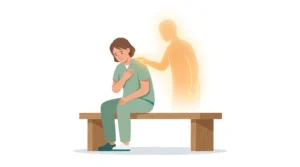
2. Burnout and Moral Distress Remain Serious Concerns
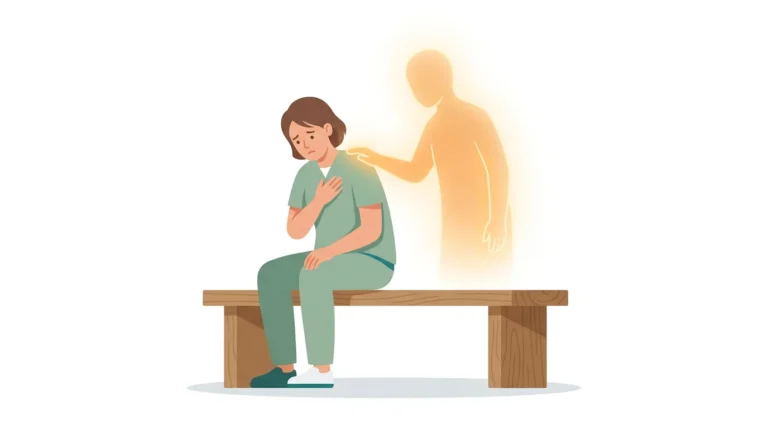
Burnout has not disappeared. In fact, for many nurses, the emotional toll of caring for patients in a strained healthcare system remains one of the defining issues of 2026. Nurses are managing high patient acuity, documentation overload, workplace violence concerns, and the emotional weight of repeated exposure to suffering and loss.
Moral distress is another major factor. Nurses often know what high-quality care should look like, but system constraints may make it difficult to deliver that care consistently. Over time, this gap can lead to emotional exhaustion, frustration, and disengagement.
How the profession is responding
More organizations are recognizing that well-being cannot be treated as an individual responsibility alone. System-level responses are becoming more common, such as:
- Peer support programs
- On-site mental health resources
- Reduced mandatory overtime
- Debriefing sessions after traumatic events
- Leadership training focused on psychological safety
Nursing associations are also pushing for healthier work environments and stronger protections that address burnout at its roots rather than only its symptoms.
3. Rising Patient Complexity Is Increasing Care Demands
Patients in 2026 are often older, living with multiple chronic conditions, and moving through highly fragmented systems of care. Nurses are increasingly managing patients whose needs span medical, psychological, social, and financial dimensions.
This complexity means nurses must combine clinical expertise with care coordination, patient education, and advocacy. A patient may need medication management, discharge teaching, family communication, follow-up planning, and assistance navigating community resources, all within a short timeframe.
How the profession is responding
Nurses are responding by strengthening holistic and coordinated care models. These include:
- Enhanced case management roles
- Integrated care teams
- Greater use of transitional care programs
- Community-based nursing outreach
- Stronger collaboration between inpatient and outpatient providers
This is also where nurse practitioner collaboration is becoming increasingly important. Nurse practitioners, registered nurses, physicians, social workers, pharmacists, and other professionals are working more closely together to improve continuity and reduce care gaps.
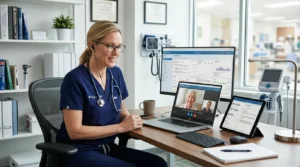
4. Technology Is Transforming Workflows, but Not Always Smoothly
Digital transformation continues across healthcare in 2026, with expanded use of electronic health records, remote monitoring, AI-assisted tools, predictive analytics, and virtual care platforms. While these tools offer promise, they also create new challenges for nurses.
Technology can improve efficiency, but poorly designed systems often add to documentation burden, interrupt patient interaction, and require constant adaptation. Nurses are sometimes expected to learn new tools quickly while maintaining full productivity.
How the profession is responding
The profession is increasingly advocating for nurse input during technology selection and implementation. Organizations are learning that technology works best when frontline nurses help shape how it is used.
Positive responses include:
- Involving nurses in digital workflow design
- Improving EHR usability
- Offering better onboarding and training
- Using AI to reduce repetitive tasks rather than replace clinical judgment
- Expanding telehealth support for follow-up and chronic disease management
The best systems recognize that technology should support nursing care, not compete with it.
5. Workplace Violence and Safety Concerns Are Under Greater Scrutiny
Many nurses continue to face verbal abuse, threats, and physical aggression in the workplace. Emergency departments, psychiatric settings, and high-stress units remain especially vulnerable, but workplace violence can occur anywhere.
In 2026, this issue is receiving more public and institutional attention, yet many nurses still report underreporting incidents due to fear, normalization, or lack of follow-up.
How the profession is responding
Healthcare employers and advocacy groups are taking more visible action by:
- Strengthening workplace violence prevention policies
- Improving incident reporting systems
- Increasing staff training in de-escalation
- Enhancing security presence where needed
- Pushing for stronger legal protections and enforcement
The growing consensus is clear: violence should never be accepted as part of the job.
6. Nursing Education Is Under Pressure to Keep Pace
As healthcare changes, nursing education is being challenged to prepare students for increasingly complex roles. Programs must balance clinical fundamentals with informatics, community health, leadership, population health, and interprofessional collaboration.
At the same time, nursing schools still face faculty shortages and clinical placement limitations. This creates a bottleneck in training future nurses at a time when workforce demand remains high.
How the profession is responding
Educational institutions are adapting through:
- Expanded simulation-based learning
- Academic-practice partnerships
- Hybrid and flexible program models
- Increased leadership development
- Greater emphasis on population health and collaborative practice
The goal is not only to graduate more nurses, but to prepare them for the realities of modern care delivery.
7. Scope of Practice Conversations Are Shaping the Future
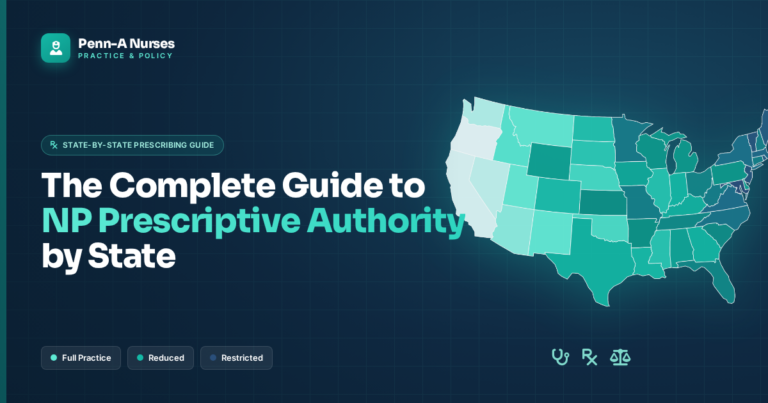
Scope of practice remains a major topic in 2026, especially as healthcare systems seek more efficient ways to improve access to care. Advanced practice registered nurses, including nurse practitioners, are taking on larger roles in primary care, preventive care, and chronic disease management.
However, scope-related debates continue across states and organizations, often affecting how care teams are structured and how quickly patients can access services.
How the profession is responding
The response has centered on evidence, advocacy, and outcomes. Nursing leaders are emphasizing research showing that advanced practice nurses provide safe, effective, and patient-centered care.
At the same time, nurse practitioner collaboration is emerging as a key part of the solution. Rather than framing care delivery as a competition between roles, many systems are building collaborative models that use each professional’s expertise effectively. This strengthens access, reduces fragmentation, and improves the patient experience.
8. Health Equity and Community Trust Require Ongoing Attention
Nurses remain at the front lines of addressing health disparities. In 2026, issues such as maternal health inequities, rural care access, language barriers, chronic disease burden, and behavioral health gaps continue to shape patient outcomes.
Because nurses often spend more time with patients than any other healthcare professional, they are uniquely positioned to identify barriers to care and advocate for more equitable systems.
How the profession is responding
Nurses and healthcare organizations are responding through:
- Community-based outreach
- Culturally responsive care training
- Screening for social determinants of health
- Partnerships with local organizations
- More intentional recruitment of a diverse workforce
These efforts reflect a broader recognition that quality care must also be equitable care.
The Role of Collaboration in the Profession’s Response
If there is one theme that defines the nursing response in 2026, it is collaboration. Today’s healthcare challenges are too complex for any one role to address alone. Nurses are working more closely with physicians, nurse practitioners, pharmacists, therapists, case managers, and public health professionals to create more coordinated systems of care.
In particular, nurse practitioner collaboration is helping reshape how care is delivered in both primary and acute settings. When nurses and nurse practitioners work in strong partnership, organizations can improve access, streamline communication, and better support patients across the care continuum.
This collaborative approach also helps reduce professional silos and creates a stronger voice for nursing within healthcare leadership and policy discussions.
Looking Ahead
The nursing profession in 2026 is under real pressure, but it is also demonstrating remarkable adaptability. The challenges are serious: staffing shortages, burnout, rising patient complexity, workplace safety concerns, educational bottlenecks, and evolving technology demands. Yet nurses are not simply enduring these realities. They are helping redesign care, strengthen collaboration, advocate for better systems, and shape the future of healthcare.
The conversation around nursing challenges 2026 should not focus only on what is wrong. It should also highlight what nurses are building in response: stronger teams, smarter workflows, better advocacy, and more resilient models of care.
As the profession continues to evolve, one thing remains constant: nurses are indispensable. Their leadership, clinical judgment, and commitment to patient care will continue to drive meaningful change across the healthcare system.
Conclusion
Nursing in 2026 is defined by both challenge and transformation. The pressures are significant, but so is the profession’s response. Through innovation, advocacy, education, and stronger nurse practitioner collaboration, nurses are helping healthcare systems adapt to a more demanding and interconnected future.
For healthcare organizations, policymakers, and the public, supporting nurses means more than appreciation. It means investing in safe staffing, healthy workplaces, modern education, and care models that allow nurses to thrive. When nurses are supported, patients and communities benefit.