
Pennsylvania is facing one of the most significant healthcare workforce crises in its history. Hospitals, clinics, and long-term care facilities across the state are experiencing critical staffing shortages—particularly among nurses. As patient demand rises and the workforce ages, traditional staffing models are no longer sufficient.
One proven yet underutilized solution lies in strengthening Nurse Practitioner (NP)–physician collaboration. When structured correctly, collaborative practice can rapidly expand access to care, reduce provider burnout, and stabilize Pennsylvania’s healthcare system.
Understanding Pennsylvania’s Nursing Shortage
The Pennsylvania nursing shortage is driven by multiple overlapping factors:
- An aging nursing workforce nearing retirement
- Increased patient demand due to an aging population
- Burnout following the COVID-19 pandemic
- Limited nursing faculty and training capacity
- Regulatory barriers affecting advanced practice roles
These pressures have created a healthcare workforce crisis that impacts urban hospitals and rural communities alike.
The Real Impact on Patient Care
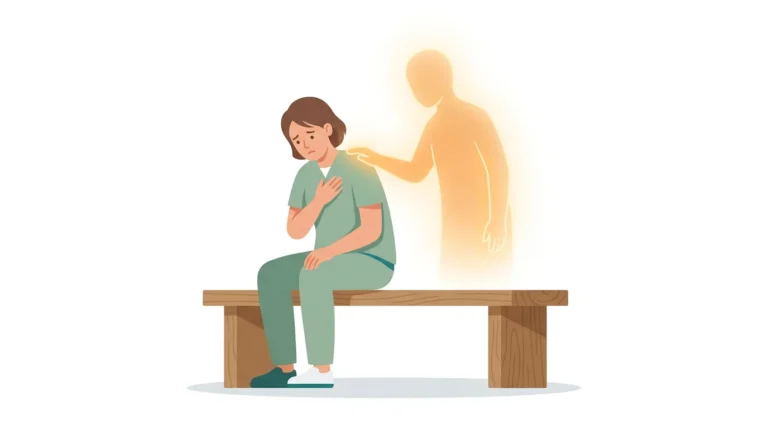
Staffing shortages don’t just affect nurses—they directly affect patients.
Consequences of inadequate staffing include:
- Longer emergency room wait times
- Delayed primary and specialty care
- Increased nurse-to-patient ratios
- Higher risk of medical errors
- Reduced access in rural and underserved areas
Pennsylvania must adopt scalable nurse shortage solutions to maintain safe, timely patient care.
Why Nurse Practitioners Are Central to the Solution
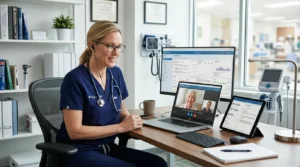
Nurse Practitioners represent one of the fastest-growing segments of the healthcare workforce. With advanced clinical training, NPs are equipped to diagnose, treat, and manage a wide range of patient conditions.
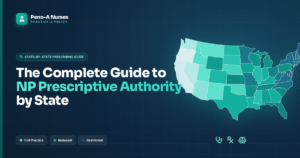
However, in Pennsylvania, NP practice authority is still tied to physician collaboration requirements, which can either enable or restrict their impact depending on how those collaborations are structured.
NP–Physician Collaboration: A Force Multiplier
When collaboration works well, it benefits everyone:
- Patients receive faster access to care
- Physicians reduce workload pressure
- NPs practice at the top of their license
- Healthcare systems improve efficiency
Effective collaboration allows NPs to extend care capacity without compromising quality or safety.
Data Snapshot: Pennsylvania’s Workforce Challenge
📊 Table 1: Key Indicators of the Healthcare Staffing Crisis in Pennsylvania
| Indicator | Current Trend |
|---|---|
| RN vacancy rates | Increasing across hospital systems |
| Rural provider shortages | Severe in primary care |
| Average patient wait times | Rising year over year |
| NP workforce growth | Increasing, but underutilized |
| Physician burnout rates | High and accelerating |
This data highlights a critical mismatch: NP supply is growing, but regulatory and collaboration barriers limit deployment.
How Collaboration Expands Care Capacity
📈 Graph Idea: Patient Capacity With vs Without NP Collaboration
Suggested visual: Bar graph comparing:
- Clinics staffed only by physicians
- Clinics using structured NP–physician collaboration
Key takeaway:
Clinics using collaborative models can often see 30–50% more patients without increasing physician hours.
Common Barriers to Effective Collaboration in Pennsylvania
Despite its potential, collaboration is often difficult to implement.
Major challenges include:
- Difficulty finding willing collaborating physicians
- High supervision or collaboration fees
- Unclear legal and liability responsibilities
- Administrative delays in agreement approvals
These barriers slow workforce deployment at a time when healthcare staffing in Pennsylvania is urgently needed.
A Data-Driven Path Forward
To address the crisis, Pennsylvania healthcare leaders must focus on practical, data-backed reforms, including:
- Streamlining collaborative agreement requirements
- Supporting fair, transparent collaboration models
- Reducing administrative friction for NP onboarding
- Encouraging team-based care across health systems
When collaboration is treated as infrastructure rather than bureaucracy, workforce capacity increases rapidly.
The Role of Collaboration Platforms
Modern collaboration platforms are emerging to help NPs and physicians connect efficiently and compliantly. These platforms can:
- Match NPs with qualified collaborating physicians
- Clarify responsibilities and expectations
- Reduce delays in care delivery
- Support regulatory compliance
While not a replacement for policy reform, these tools represent immediate workforce solutions that can be deployed now.
Case Example: Expanding Access Through Collaboration
A primary care clinic in rural Pennsylvania partnered with NPs under a structured collaborative model. Within six months:
- Patient appointment wait times dropped significantly
- Preventive care visits increased
- Physician burnout decreased
- Community health outcomes improved
This example demonstrates how expanding NP practice through collaboration directly addresses the nurse shortage.
Why This Matters for Pennsylvania’s Future
Without intervention, Pennsylvania’s nursing shortage will worsen—impacting patient safety, healthcare costs, and workforce sustainability.
NP–physician collaboration offers a realistic, scalable, and data-supported solution that can be implemented immediately while long-term workforce pipelines are strengthened.
Final Thoughts: Collaboration Is Not Optional—It’s Essential
Pennsylvania cannot solve its healthcare workforce crisis by relying on traditional staffing models alone. Empowering Nurse Practitioners through effective collaboration is one of the fastest ways to stabilize care delivery across the state.
The future of healthcare in Pennsylvania depends on team-based, collaborative solutions—and the time to act is now.