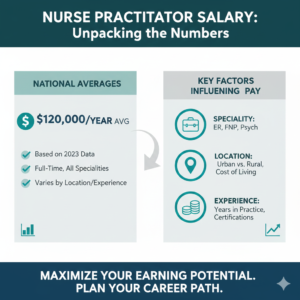





In Pennsylvania, Nurse Practitioners typically pay $500 to $2,500 per month for physician collaboration depending on supervision level, specialty, and service model. Annual collaboration costs can range from $6,000 to over $30,000, making physician agreements one of the largest fixed expenses for independent NP practices. New collaboration platforms like NP Collaborator now offer transparent, lower-cost alternatives.
For Nurse Practitioners in Pennsylvania, physician collaboration is not just a regulatory requirement—it is a major financial commitment that directly affects profitability, scalability, and long-term sustainability. While many NPs dream of independent practice, few fully understand the true cost of physician supervision until contracts are signed and monthly invoices arrive. This guide breaks down real Pennsylvania NP collaboration costs, explores hidden fees, compares traditional agreements with new technology-driven platforms, and helps you calculate what you should really be paying.
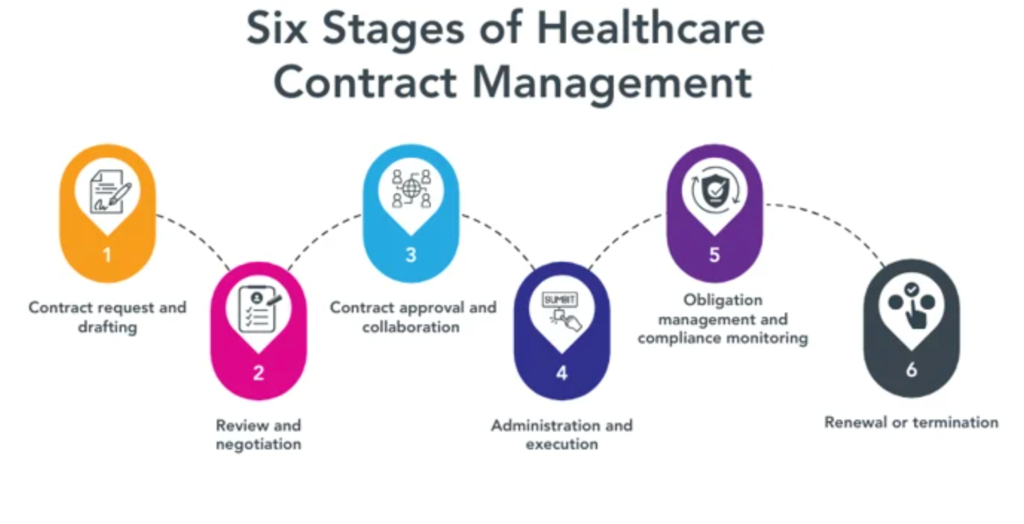
Pennsylvania Collaboration Law: Why NPs Must Pay
Pennsylvania is a restricted practice state, meaning Nurse Practitioners must maintain a collaborative agreement with a licensed physician to legally practice.
What the Law Requires
- A signed written collaborative agreement
- Physician availability for consultation
- Periodic chart review
- Defined supervision scope and protocols
- Ongoing regulatory compliance
Because physicians assume medico-legal responsibility, they charge recurring supervision fees—creating a continuing operational expense for NPs.
Average Physician Collaboration Costs in Pennsylvania
Based on statewide reporting, NP surveys, and staffing firm data, current collaboration pricing typically falls into four models:
1. Flat Monthly Fee Model
- $800–$2,500 per month
- Common in family medicine, urgent care, and primary care
- Covers chart review, consultations, and compliance documentation
2. Per-Chart Review Pricing
- $10–$40 per chart
- Variable billing based on patient volume
- Can become extremely expensive for busy practices
3. Revenue Percentage Model
- 3%–10% of gross NP revenue
- Popular in multi-provider clinics
- Often lacks cost predictability
4. Hybrid Contract Model
- Base monthly fee + per-consult charge
- Often used in specialty practices
Annual Cost Reality:
Most Pennsylvania NPs spend $9,000–$30,000+ every year just to maintain physician collaboration.
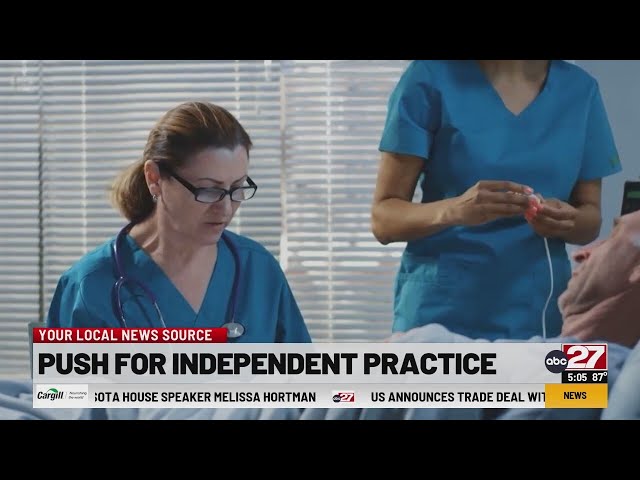
Hidden Costs Most NPs Don’t Anticipate
Physician supervision contracts often include expenses that are not disclosed upfront:
- Contract renewal fees
- Malpractice premium increases
- Legal review costs
- Travel costs for in-person meetings
- Chart audit penalties
- Termination or transition fees
These hidden charges frequently push real-world costs 20%–40% higher than original quotes.
Total Startup Cost Impact for Independent Pennsylvania NPs
Physician collaboration is only one part of total NP business expenses, but it is often the largest recurring fixed cost.
Average Independent Practice Startup Budget
- Business registration & legal: $4,000–$8,000
- Facility & equipment: $15,000–$60,000
- EMR & billing systems: $2,000–$6,000
- Insurance & licensing: $3,000–$7,000
- Physician collaboration: $8,000–$25,000 annually
For many new NPs, supervision alone consumes 15%–30% of total first-year startup capital.

Why Traditional Physician Collaboration Is So Expensive
Several market forces drive pricing upward:
- Physician shortages across Pennsylvania
- Increased malpractice risk exposure
- Administrative burden of compliance
- High chart review volumes
- Lack of pricing transparency
- Limited access in rural counties
With demand exceeding supply, many physicians can command premium supervision rates.
Traditional Physician Contract
- $1,200–$2,500 per month
- Long-term binding agreements
- Limited physician availability
- Manual chart review processes
- Separate malpractice coverage issues
- Limited scalability
NP Collaborator Platform Model
- Transparent monthly pricing
- Nationwide physician network access
- Tele-supervision availability
- Automated chart audits
- Compliance tracking dashboards
- Rapid onboarding for new practices
- Multi-state expansion support
Cost Savings Impact:
Pennsylvania NPs using platform-based collaboration often report 30%–60% lower supervision costs compared to traditional private contracts.
Real-World Cost Scenarios for Pennsylvania NPs
Scenario 1: Rural Primary Care NP
- Patient volume: 350/month
- Traditional flat fee: $1,500/month
- Annual cost: $18,000
Scenario 2: Urban Family Practice NP
- High daily patient load
- Per-chart review model
- Estimated annual cost: $26,000–$31,000
Scenario 3: Telehealth-Based NP
- Platform-based physician matching
- Automated compliance
- Average annual cost: $9,000–$13,000
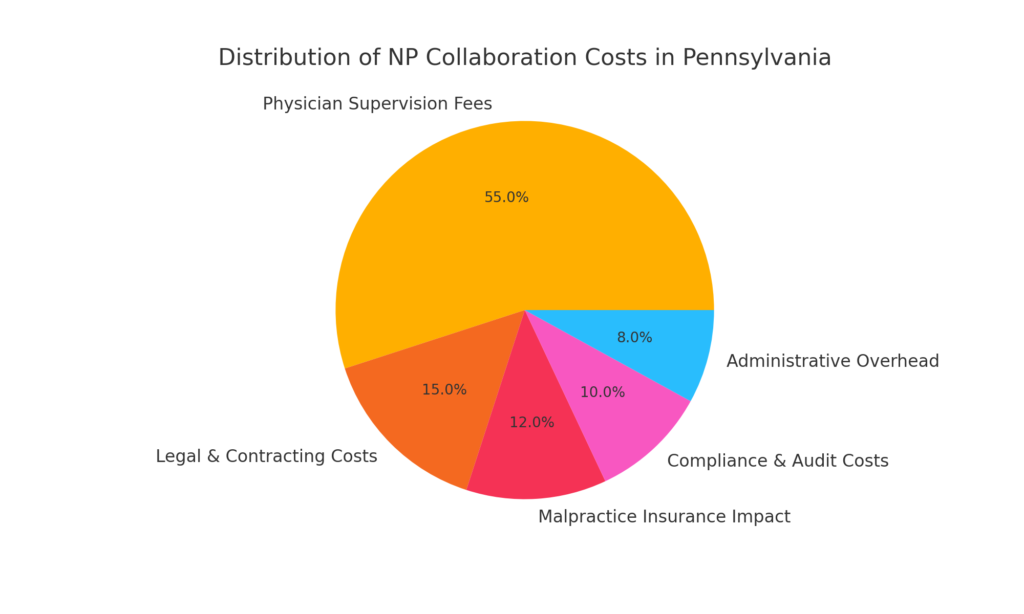
How Physician Collaboration Costs Affect NP Profit Margins
Supervision fees directly reduce:
- Owner compensation
- Staff hiring capacity
- Marketing budgets
- Technology upgrades
- Expansion opportunities
For small practices, even a $500/month savings can fund:
- An additional medical assistant
- Digital marketing campaigns
- New diagnostic equipment
Over five years, reduced collaboration expenses can mean $40,000–$100,000 in retained revenue.
Compliance Risks of Choosing Low-Cost Supervision
Choosing the cheapest physician is not always the safest option. Poor supervision can lead to:
- Board compliance violations
- Malpractice exposure
- License suspension risks
- Insurance claim denials
- Practice shutdowns
This is why modern collaboration platforms incorporate automated compliance validation and regulatory audit trails.
How to Negotiate Better Physician Collaboration Rates
Pennsylvania NPs can often reduce supervision costs by:
- Negotiating revenue caps
- Splitting supervision across multiple NPs
- Requesting tele-supervision clauses
- Reviewing malpractice cost-sharing
- Using short-term trial agreements
- Leveraging competing physician bids
- Comparing with platform-based pricing
Future Outlook: Will Pennsylvania NP Collaboration Costs Decrease?
Healthcare economics strongly indicate:
- Rising physician salaries
- Continuing provider shortages
- Growing malpractice premiums
- Increased telehealth integration
While traditional supervision costs will likely continue rising, technology-driven collaboration platforms may stabilize or reduce long-term expenses through automation and scale.
Financial Planning Tips for Pennsylvania NPs
To remain profitable:
- Budget supervision costs for 24–36 months
- Avoid revenue-percentage agreements early
- Maintain supervision reserve funds
- Track cost-per-patient ratios
- Reassess contracts annually
- Consider platform-based collaboration for scalability
Frequently Asked Questions
Do Pennsylvania NPs legally have to pay for physician collaboration?
Yes. Under current state law, a formal collaboration agreement is mandatory and usually involves compensation.
Can a physician supervise multiple NPs at once?
Yes, but state regulations limit the number based on availability and compliance monitoring.
Is tele-supervision legal in Pennsylvania?
Yes, provided the collaborative agreement meets regulatory documentation requirements.
Are NP collaboration platform fees tax-deductible?
Yes. Physician supervision is a deductible business operating expense.
Conclusion
Physician collaboration is one of the largest—and most misunderstood—financial obligations for Pennsylvania Nurse Practitioners. While traditional supervision contracts can cost $15,000 to $30,000 annually, modern platforms like NP Collaborator now offer transparent, scalable, and significantly lower-cost alternatives. Understanding your supervision expenses isn’t just good accounting—it is the foundation of long-term independent practice success.