The nursing profession has always been the heartbeat of healthcare, but the role of a nurse in 2026 is vastly different than it was even a decade ago. As technology advances and patient needs become more complex, the skills nurses need to succeed have evolved from purely clinical capabilities to a multi-faceted set of professional competencies.
In an era defined by rapid digital transformation and shifting patient demographics, being a “good nurse” requires more than just mastering the art of the IV start or wound care. To thrive in today’s environment, healthcare professionals must balance high-tech proficiency with high-touch care. Whether you are a veteran RN or an aspiring Nurse Practitioner, mastering these modern nursing skills is essential for career longevity, professional satisfaction, and patient safety.
1. Technological Proficiency and Informatics
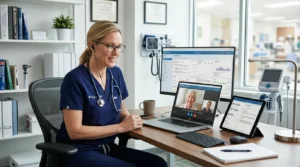
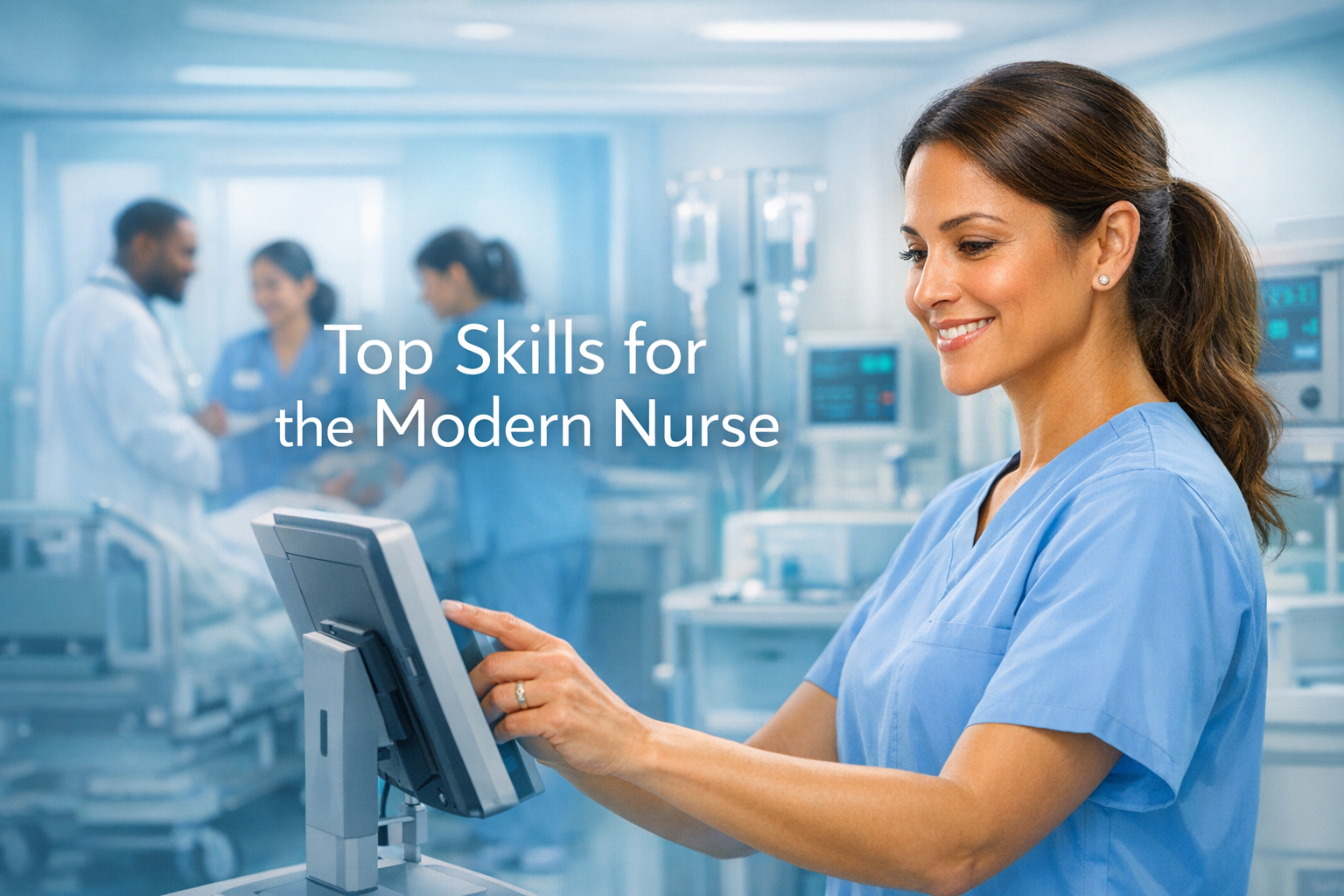
The modern hospital is no longer just a clinical space; it is a hub of advanced technology. Beyond mastering Electronic Health Records (EHRs), nurses must now be comfortable with telehealth platforms, remote patient monitoring (RPM) devices, and AI-driven diagnostic tools that provide real-time alerts.
Understanding nursing informatics—the specialty that integrates nursing science with multiple information management and analytical sciences—is no longer a niche field; it is a baseline requirement. Modern nurses must be able to navigate these tools without losing focus on the patient sitting in front of them, effectively bridging the gap between data and bedside care.
2. Emotional Intelligence (EQ) and Stress Management
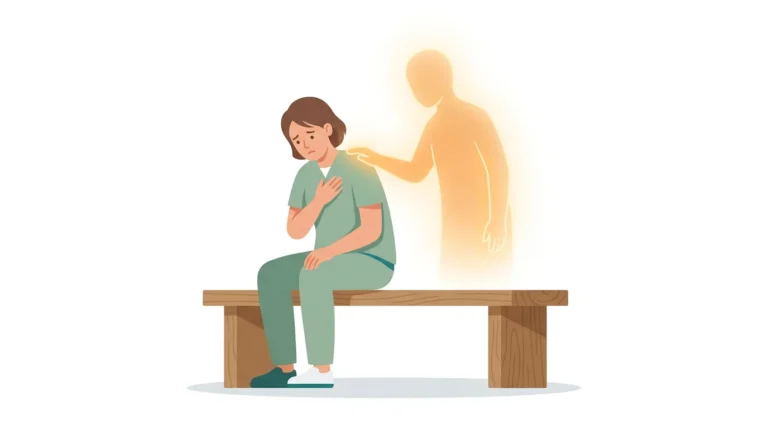
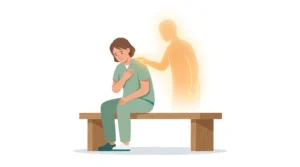
While clinical knowledge saves lives, emotional intelligence heals spirits. In a fast-paced, high-stress environment where burnout is a constant threat, the ability to recognize and manage your own emotions is critical. EQ allows you to remain calm during a code, empathize with a frustrated family member, and maintain a cohesive team dynamic even during the most demanding shifts.
Moreover, modern EQ includes self-regulation. Nurses who can identify their own stress triggers and employ healthy coping mechanisms are more likely to stay in the profession long-term. Developing these “soft skills” is just as vital as any technical certification.
3. Clinical Leadership and Professional Advocacy
Nurses are increasingly taking on leadership roles at the bedside, in the community, and in the boardroom. This involves more than just managing a floor; it includes advocating for patient rights and influencing the very healthcare policies that dictate care delivery.
Expanding your impact often requires stepping into higher levels of autonomy. For many Nurse Practitioners, this transition involves moving toward independent practice or opening their own clinics. In states where collaboration is required, savvy NPs utilize resources like NP Collaborator to build legal and professional frameworks. By securing a reliable NP Collaborator, they can focus on exercising their leadership skills to lead clinical teams and improve community health outcomes.
4. Critical Thinking and Quick Decision-Making
Healthcare environments are inherently unpredictable. A patient’s condition can deteriorate in seconds, and the modern nurse must have the critical thinking skills to assess a rapidly changing situation, prioritize care efficiently, and make accurate decisions under extreme pressure.
Modern critical thinking also involves “seeing the big picture.” It means looking beyond immediate symptoms to understand the broader social determinants of health—such as housing stability or food security—that may be impacting a patient’s recovery process.
5. Interdisciplinary Communication and Cultural Competency
Today’s healthcare environment is a team sport. Successful nurses must be able to communicate effectively not just with patients, but with a diverse team of physicians, therapists, social workers, and administrators. This requires “cultural competency”—the ability to communicate across language barriers and respect various cultural, religious, and social beliefs regarding health and wellness.
Effective communication isn’t just about speaking clearly; it’s about active listening. Ensuring the patient feels seen, heard, and respected is a core component of patient-centered care and significantly reduces the risk of medical errors.
6. Adaptability and Lifelong Learning
If there is one constant in healthcare, it is change. Whether it is a new protocol for an emerging infectious disease or a shift in state licensing regulations, modern nurses must stay adaptable. The “we’ve always done it this way” mentality is a barrier to success in the 21st century.
Staying relevant requires a commitment to lifelong learning. This might mean pursuing an invite-only specialty certification, obtaining a DNP, or simply staying updated on the latest evidence-based practice research. As the scope of nursing continues to expand into new territories—including telehealth and aesthetic nursing—the ability to pivot and learn new systems will be your greatest asset.
Final Takeaway
The skills nurses need today go far beyond the “vitals.” To succeed in the modern healthcare landscape, you must be a technician, a communicator, a leader, and a dedicated student. By focusing on these modern nursing skills, you can ensure that you are not just keeping up with the changes in healthcare—you are leading the way toward a better, more efficient, and more compassionate future for patient care.