



The nursing profession is a journey of lifelong learning. Whether you are a new graduate or a veteran RN, the landscape of healthcare is constantly shifting with new technologies, regulations, and patient needs. According to the Pennsylvania Nurses Collaborative, staying ahead of these changes isn’t just about compliance—it’s about unlocking new opportunities for nursing career advancement.
In Pennsylvania, the State Board of Nursing oversees the standards that protect public health, but for the individual nurse, continuing education for nurses is the key to moving from the bedside to leadership, specialization, or advanced practice.
1. Specialty Certifications: The Fast Track to Expertise
One of the most immediate ways to advance is through specialty certification. By becoming certified in a specific area—such as Gerontological Care, Critical Care (CCRN), or Emergency Nursing (CEN)—you demonstrate a higher level of clinical competency.
The Pennsylvania State Nurses Association (PSNA) highlights that many memberships include discounts on ANCC certifications, which are recognized nationwide. Specialization often leads to higher pay, more autonomy, and the ability to serve as a resource for your unit.
2. Degree Advancement: RN to BSN and Beyond
For many, the next logical step is moving from an ADN to a BSN. Many healthcare systems now prefer or even require a BSN for leadership roles.
- BSN: Opens doors to management and public health roles.
- MSN: Necessary for those looking to become Clinical Nurse Specialists or Nurse Educators.
- DNP/PhD: For those aiming for the highest level of clinical practice as Nurse Practitioners or focusing on nursing research.
3. State-Mandated and Specialty CE Courses
Sometimes, advancement is triggered by staying current on specific state mandates. For instance, the PSNA CE Center offers required training in areas like child abuse recognition and workplace violence prevention. Mastering these topics can make you an ideal candidate for administrative or safety-focused roles within your facility.
4. Leadership and Mentorship Programs
Career advancement isn’t always about a new degree; sometimes it’s about new skills. Participating in mentorship programs—either as a mentor or a mentee—helps build the soft skills required for charge nurse roles or unit management. Organizations like PASNAP advocate for strong nursing voices, and developing your leadership through union involvement or hospital committees is a powerful way to grow.
Why Continuing Education Matters in 2026
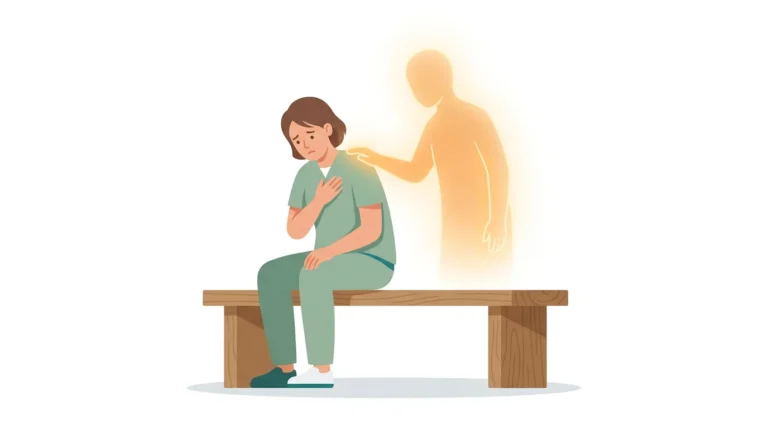
In 2026, the challenges of nursing—from staffing shortages to mental health fatigue—require a workforce that is more educated and resilient than ever. By engaging in Competency-Based Nursing Education, you ensure that your skills meet modern standards, making you an indispensable asset to your healthcare team.
Next Steps for Your Advancement
- Check your state requirements: Visit the PA State Board of Nursing to ensure your current license is up to date and see what is required for your next level of licensure.
- Audit your interests: Do you enjoy the high energy of the ICU, or are you drawn to the coordination required in Home Healthcare?
- Utilize member benefits: If you are a member of a professional organization, check for free CNE credits and resume critique services to help you pivot to a new role.