



Healthcare policy in Pennsylvania continues to evolve, and for nurse practitioners (NPs), staying informed is no longer optional—it’s essential. Recent legislative and regulatory changes are reshaping how NPs practice, collaborate, and deliver care across the state.
This update breaks down the most important Pennsylvania healthcare policy changes affecting NP practice, explains what they mean in real-world terms, and offers practical steps NPs can take to stay compliant and proactive in 2025 and beyond.
Why Policy Updates Matter for Pennsylvania NPs
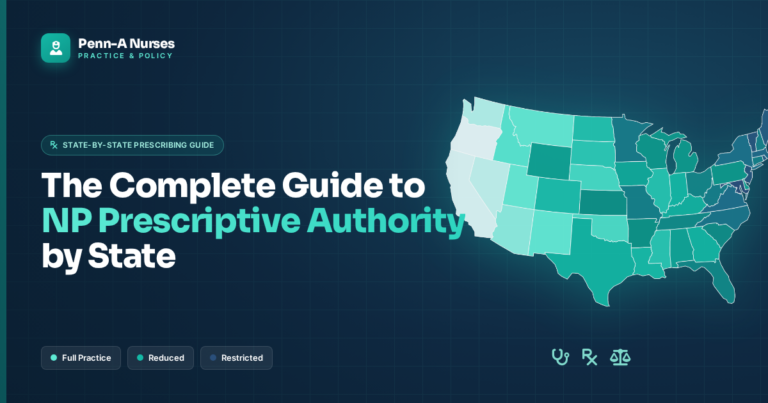
Pennsylvania remains a restricted practice state for nurse practitioners. This means state laws and regulations directly affect:
- How NPs provide care
- Physician collaboration requirements
- Prescriptive authority
- Practice ownership and independence
Even small regulatory updates can have a major impact on daily practice, liability exposure, and long-term career planning.
Overview of Recent Policy and Legislative Changes (2025–2026)
Recent healthcare legislation and regulatory activity in Pennsylvania has focused on:
- Addressing provider shortages
- Expanding access to care in underserved areas
- Improving care delivery efficiency
- Clarifying collaboration and oversight requirements
While Pennsylvania has not yet adopted full practice authority for NPs, recent changes indicate increasing recognition of the NP role in meeting healthcare demand.
Key Areas of Change Affecting NP Practice
1. Clarifications Around Collaborative Agreements
Pennsylvania continues to require nurse practitioners to maintain a collaborative agreement with a physician. Recent regulatory guidance has clarified expectations around:
- Documentation standards
- Scope alignment between NPs and collaborating physicians
- Accountability and oversight responsibilities
These updates aim to reduce confusion but also place greater responsibility on NPs to ensure their collaboration arrangements are properly structured.
Actionable Advice:
NPs should review their collaborative agreements annually to confirm they reflect current services, practice settings, and regulatory requirements.
2. Finding Reliable Collaboration Support
For many Pennsylvania NPs, securing and maintaining a compliant collaborating physician relationship is one of the most challenging aspects of practice—especially for those working in independent, telehealth, or private practice models.
This is where NP collaboration services provide meaningful support. NP Collaborator helps nurse practitioners connect with experienced collaborating physicians in a structured, transparent, and regulation-aware manner.
NP Collaborator supports Pennsylvania NPs by:
- Matching NPs with qualified collaborating physicians familiar with state laws
- Streamlining collaboration setup and ongoing support
- Reducing delays caused by unclear or unreliable agreements
- Helping NPs remain compliant while focusing on patient care
As collaboration requirements remain firmly in place under Pennsylvania law, using a trusted collaboration platform can significantly reduce administrative burden and compliance risk.
3. Prescriptive Authority and Controlled Substances
Recent policy updates have reinforced:
- Ongoing compliance with prescribing regulations
- Documentation requirements for controlled substances
- Continued use of prescription monitoring programs
While NP prescriptive authority remains unchanged, oversight and auditing processes have become more consistent.
Actionable Advice:
Ensure your prescribing protocols and continuing education meet current state and federal standards.
4. Telehealth and Remote Care Policies
Telehealth continues to be an essential part of healthcare delivery in Pennsylvania. Recent updates emphasize:
- Patient safety and quality standards
- Provider accountability in virtual care settings
- Compliance with collaboration requirements during remote care
Actionable Advice:
NPs providing telehealth services should ensure their collaborative agreements explicitly cover virtual care.
5. Practice Ownership and Business Considerations
Although collaboration is still required, policy discussions increasingly recognize NP-led care models. However, regulatory compliance for business operations remains strict.
Actionable Advice:
Before opening or expanding a practice, review both healthcare regulations and business requirements to ensure full compliance.
Workforce and Access-to-Care Policy Trends
Pennsylvania policymakers continue to highlight:
- Primary care provider shortages
- Dependence on advanced practice clinicians
- The role of NPs in underserved communities
These trends strengthen the case for future NP-focused reforms, even if progress toward full practice authority remains gradual.
What These Changes Mean for Pennsylvania NPs
In practical terms, recent policy updates mean NPs must:
- Be more diligent with documentation
- Clearly define collaboration roles
- Stay current with regulatory guidance
- Proactively adapt to telehealth and evolving care models
How NPs Can Stay Compliant and Proactive
Pennsylvania NPs should:
- Review collaboration agreements annually
- Monitor state board and regulatory updates
- Track continuing education requirements carefully
- Maintain clear documentation of scope and oversight
- Engage with professional nursing and advocacy organizations
Looking Ahead: The Future of NP Practice in Pennsylvania
While full practice authority has not yet been achieved, recent policy discussions suggest gradual movement toward modernization of NP regulations. Informed, compliant, and engaged NPs will be best positioned to adapt to future changes.
Final Thoughts
Recent Pennsylvania healthcare policy updates reinforce the importance of compliance, collaboration, and proactive planning for nurse practitioners. With collaboration requirements firmly in place, having reliable support systems—both legal and professional—is essential.