





In 2025, Pennsylvania remains one of the few states where Nurse Practitioners (NPs) cannot practice to the full extent of their education and training. Despite decades of evidence demonstrating that NPs deliver high-quality, cost-effective care, statutory barriers continue to limit patient access, particularly in rural and underserved communities.
As surrounding states adopt Full Practice Authority (FPA), the gap between Pennsylvania’s healthcare needs and the legislative reality grows wider. Yet momentum is building. Advocacy groups, healthcare organizations, and thousands of nursing professionals are pushing for long-overdue reform that would allow NPs to practice independently—without the requirement for written collaborative agreements.
This blog breaks down the political landscape, the barriers NPs face, and the steps Pennsylvania NPs can take today to advance FPA and strengthen their professional autonomy.
1. Why Full Practice Authority Matters in Pennsylvania
Full Practice Authority enables NPs to:
- Evaluate, diagnose, and treat patients
- Prescribe medications
- Manage care independently
- Operate practices without mandatory physician oversight
- Expand access in rural and underserved regions
29 states plus D.C. now grant NPs full practice authority.
Pennsylvania remains in the minority, classified as a Restricted Practice state.
Impact on Patients
Healthcare deserts across rural Pennsylvania continue to widen. Over 3.4 million residents live in federally designated Health Professional Shortage Areas (HPSAs). In these communities, NPs often serve as the primary care workforce—but restrictive laws limit how effectively they can respond to need.
Impact on NPs
Without FPA, Pennsylvania NPs must:
- Maintain mandatory collaborative agreements
- Secure supervising physician signatures
- Navigate redundancy in documentation
- Delay care due to administrative constraints
These rules do not improve safety—they merely create bottlenecks.
2. The Political Landscape in 2025
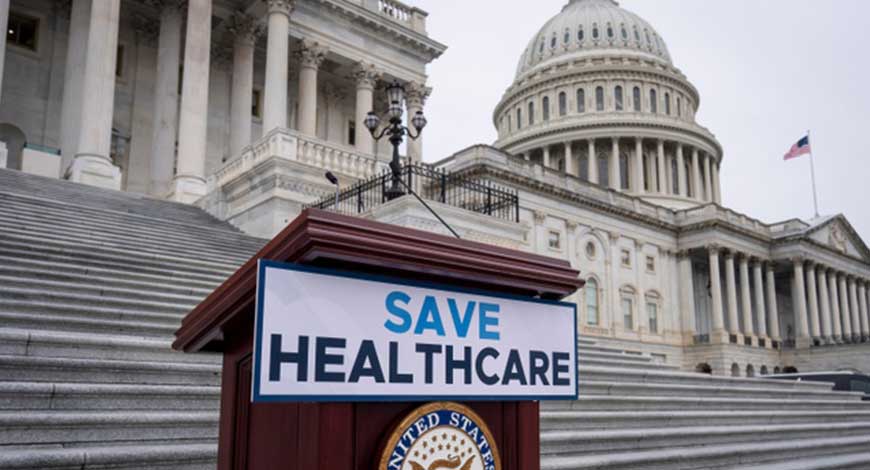
Pennsylvania’s legislative session has seen repeated attempts to pass FPA, most notably through bipartisan bills such as Senate Bill 25 (previous sessions). Despite widespread support from patient advocates, rural health coalitions, and national nursing organizations, progress has stalled due to political disagreements and lobbying pressure.
Key Stakeholders Influencing the Debate
- State Medical Societies
- Nursing Associations (such as PANA)
- Hospital Corporations
- Legislators in rural constituencies
- Healthcare access coalitions
Where Momentum is Coming From
- Data showing NP-led care improves outcomes
- Increasing physician shortages (projected deficit of 10,000+ providers by 2035)
- Neighboring states (Maryland, Delaware, New York) already have FPA
- Growing patient advocacy voices
Pennsylvania’s political climate is shifting. In 2025, more legislators are open to modernization as healthcare access becomes a top statewide concern.
3. Understanding the Current Collaborative Agreement System
As of 2025, Pennsylvania requires:
- A written collaborative agreement between an NP and licensed physician
- Physician oversight for prescribing practices
- Annual documentation updates
- Location-specific supervision details
- A 4-year, 3,600-hour physician collaboration requirement before NPs can practice in an expanded capacity
Why This System Creates Barriers
- Physician shortages make collaboration difficult
Many NPs struggle to secure agreements, especially in rural counties. - Power imbalance
Physicians may charge high fees for agreements or impose limitations. - Administrative burden
Paperwork slows down care delivery and restricts NP mobility. - Interrupted patient care
If a collaborating physician retires or relocates, NP practice may be suspended. - No evidence of improved safety
National studies show FPA leads to equal or better outcomes.
These regulations limit NP autonomy, impede workforce capacity, and restrict access to essential services.
4. What Full Practice Authority Would Change
If Pennsylvania adopts FPA, NPs would:
✔ Practice Independently
Evaluate, diagnose, treat, and prescribe without a physician agreement.
✔ Open Clinics in Rural Areas
FPA states see significant increases in rural primary care access.
✔ Reduce Healthcare Costs
NP-led practices deliver comparable outcomes at lower cost.
✔ Improve Patient Wait Times
Telehealth, urgent care, and chronic disease management expand rapidly under FPA.
✔ Strengthen the State’s Healthcare Workforce
Pennsylvania could more effectively compete for NPs who currently leave for FPA states like Maryland, New York, and Delaware.
5. The Evidence: Why FPA Works
Key Nationwide Outcomes from FPA States:
- 25% more NPs in rural communities
- Improved chronic care outcomes
- Reduced ER utilization
- Faster appointment times
- Higher patient satisfaction
- Comparable or superior quality of care
Major organizations—including the National Academy of Medicine, AARP, Federal Trade Commission, and National Governors Association—support FPA.
The evidence is overwhelming: restrictive NP laws do not protect patients; they restrict access.
6. Common Arguments Against FPA — and the Facts
Argument 1: “NPs don’t have enough training to practice independently.”
Fact:
NPs complete advanced graduate education + national certification + clinical experience. FPA states demonstrate equal safety outcomes to physician-led care.
Argument 2: “FPA will reduce collaboration.”
Fact:
Collaboration happens naturally among professionals—it does not require legal mandates.
Argument 3: “Physician shortages require oversight, not independence.”
Fact:
Oversight requirements reduce NP mobility and worsen shortages by forcing NPs to wait for physician availability.
Argument 4: “Patients will be confused.”
Fact:
Transparency laws already define provider credentials; FPA does not change that.
7. Practical Steps Pennsylvania NPs Can Take to Move Toward FPA
Even without legislative change, NPs can strengthen their advocacy impact and professional positioning.
Step 1: Mobilize Within Professional Organizations
Joining advocacy groups amplifies NP influence:
- Pennsylvania Coalition of Nurse Practitioners (PCNP)
- American Association of Nurse Practitioners (AANP)
- State-level policy committees
Collective advocacy drives legislative attention.
Step 2: Build Community-Level Support
Rural leaders, school boards, veterans’ groups, and seniors’ coalitions are powerful voices.
NPs can:
- Attend town halls
- Share the impact of NP shortages
- Provide testimony on how collaborative agreements delay care
When patients speak, legislators listen.
Step 3: Strengthen Data and Case Documentation
NPs should track:
- Delayed care due to collaborative agreement issues
- Patients turned away
- Communities without primary care access
- Cost burdens associated with physician oversight
These data points form the backbone of legislative arguments.
Step 4: Educate Legislators on NP Competencies
Many lawmakers still misunderstand NP training.
One-on-one meetings and district visits help eliminate misconceptions.
Step 5: Utilize Collaboration Platforms Efficiently
Until FPA is achieved, NPs still need compliant collaboration agreements.
Tools like physician-NP collaboration platforms (example: modern services similar to NP Collaborator) simplify this process, reduce costs, and ensure compliance without administrative delays.
While Pennsylvania works toward FPA, these platforms help NPs maintain safe, legal, uninterrupted practice—especially in underserved regions where care gaps are critical.
8. The Political Path Toward FPA in Pennsylvania
For FPA to pass, Pennsylvania must address:
1. Legislative Support
A majority coalition in both the Senate and House.
2. Opposition Alignment
Medical society opposition remains the largest barrier.
3. Public Recognition
Awareness campaigns highlighting rural care shortages.
4. Fiscal Notes
Demonstrating that FPA reduces healthcare spending.
5. Regulatory Considerations
Defining transition periods for new NPs entering practice.
A growing number of lawmakers recognize that restrictive NP laws are outdated and economically harmful.
9. Expert Commentary
“Pennsylvania is one of the last holdouts on NP Full Practice Authority. The data are clear—NPs deliver safe, effective care, and restrictive laws hurt rural communities the most. Achieving FPA is not just a professional issue; it’s a patient-access issue.”
Her commentary reflects the urgent need for reform.
10. Practical Solutions for NPs Working Under Restrictive Laws
Until legislative progress is made, NPs can take meaningful steps to protect their professional autonomy:
✔ Maintain Efficient Collaborative Agreements
Use modern NP–physician agreement systems to minimize administrative burden.
✔ Leverage Telehealth to Expand Reach
Telemedicine allows NPs to serve communities without onsite physician presence (as long as collaboration rules are met).
✔ Build Local Partnerships
Community clinics, federally qualified health centers, and home healthcare agencies benefit greatly from NP leadership.
✔ Document Every Barrier
Legislators rely on real-world accounts of delays, shortages, and abandoned care plans.
✔ Stay Involved in Policy
Every advocacy letter, email, and testimony helps the movement gain momentum.
11. Why the Push for FPA Is Stronger Than Ever
Three major forces are accelerating the push for NP independence:
1. Demographic Pressure
By 2030, 25% of Pennsylvanians will be over age 60.
2. Workforce Shortages
Over 60 of the state’s 67 counties have primary care shortages.
3. Economic Benefits
NP-led care reduces strain on hospitals, improves preventive care, and lowers overall healthcare spending.
States with FPA have demonstrated better access, improved outcomes, and strong safety records.
Pennsylvania cannot afford to remain behind.
12. What NPs Can Expect in the Next Legislative Cycle
Based on current political trends:
- FPA bills are likely to be reintroduced
- Bipartisan support among rural legislators is increasing
- Healthcare access narratives will shape committee hearings
- Nursing organizations are coordinating more unified advocacy efforts
The path to FPA may still be challenging, but it is more achievable today than at any point in the past decade.
13. Conclusion: The Future of NP Practice in Pennsylvania
Pennsylvania stands at a pivotal moment. The need for expanded primary care access is urgent, and Nurse Practitioners are uniquely positioned to fill critical gaps.
Full Practice Authority would unlock the full potential of NPs across the state—improving access, reducing costs, and strengthening care delivery for millions of residents.
Until reform passes, NPs must remain engaged, organized, and proactive in advocating for change while maintaining compliance with current regulations. Collaboration platforms can help bridge the gap, but long-term progress depends on continued legislative momentum.
Achieving FPA is not just a professional milestone—it is a fundamental step toward a healthier, more equitable Pennsylvania.