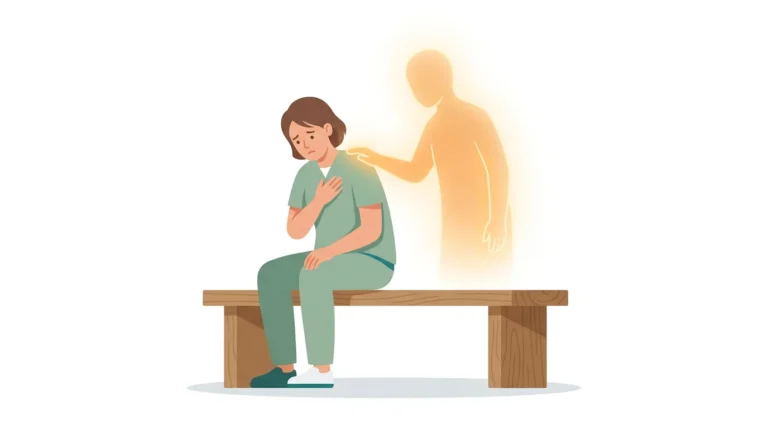




Every day, millions of essential workers clock in with a simple goal — to care, to educate, to serve their communities. But for many, what should be a calling of compassion and public service has turned into something far more dangerous. Nurses, bus drivers, and teachers across the country are facing an alarming rise in violence on the job — from verbal abuse to physical attacks — and it’s time we start treating this as the crisis it truly is.
A Growing Crisis in Every Workplace
Workplace violence isn’t new, but it’s worsening. According to the U.S. Bureau of Labor Statistics, healthcare and education are among the top sectors reporting on-the-job assaults. In hospitals, nurses are being punched, kicked, and threatened by patients or family members. On school buses, drivers face aggression from parents and students alike. In classrooms, teachers deal with verbal abuse and sometimes even physical altercations.
For too long, these incidents have been dismissed as “part of the job.” But let’s be clear — violence should never be part of anyone’s job description.
Nurses on the Front Lines
Nurses, especially, are in a unique and dangerous position. The emotional intensity of healthcare settings, combined with staffing shortages and long wait times, often pushes patients and families to the brink. The result? Frontline caregivers bear the brunt of that frustration.
At Pennsylvania Association of Staff Nurses and Allied Professionals (PASNAP), we hear these stories every day — nurses being injured, threatened, or traumatized simply for doing their jobs. These incidents don’t just harm individual nurses; they impact morale, patient safety, and the quality of care delivered across the system.
No nurse should ever fear going to work. That’s why PASNAP continues to push for stronger workplace violence prevention policies, better staffing ratios, and legal protections for healthcare workers.
Shared Struggles Across Professions
The crisis extends beyond healthcare. Bus drivers face threats over route delays or disciplinary actions. Teachers are managing increasingly volatile classrooms with little support. What these professions share is a deep sense of service — and the reality that their safety is too often overlooked by the systems that depend on them.
This isn’t just a worker problem. It’s a public safety issue. When essential workers are unsafe, entire communities suffer.
What Needs to Change
To make real progress, we need more than sympathy. We need:
- Legislation that enforces zero tolerance for workplace violence
- Mandatory reporting systems so every incident is documented and addressed
- Comprehensive training for de-escalation and emergency response
- Adequate staffing levels, especially in hospitals and schools
- Union protections that give workers the power to demand safer conditions
Standing Together for Safer Workplaces
Violence at work is preventable. It requires commitment from employers, lawmakers, and the public — but most importantly, solidarity among workers.
As unions like PASNAP continue to advocate for fair treatment and safer environments, every act of organizing, every report filed, every voice raised brings us one step closer to change.
Because at the end of the day, nurses, bus drivers, and teachers don’t just keep society running — they hold it together. And they deserve the same safety and respect they give to others every single day.