


In high-pressure environments like Intensive Care Units (ICUs), even the smallest lapses can lead to serious patient harm. Understanding how nurses perceive and respond to stress, workload, and institutional support is vital to preventing adverse events.
A recent study published in SciELO Brasil analyzed a psychometric scale measuring predisposition to adverse events in nursing care. This tool helps identify the behavioral and environmental factors that may increase risk, including fatigue, communication gaps, and system inefficiencies.
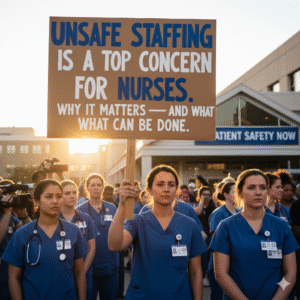
The findings reinforce what nurse advocates have long known—human factors matter. When nurses are overworked or unsupported, errors become more likely. But when they are trained, empowered, and listened to, safety improves dramatically.
Healthcare institutions can use these insights to enhance staffing policies, safety protocols, and communication training. The scale also highlights how psychological well-being correlates directly with care outcomes—a reminder that nurses’ health is inseparable from patient safety.
Ultimately, psychometric tools like this serve as a scientific foundation for reforms that unions and advocacy groups have been calling for: safe staffing, fatigue prevention, and mental health support for every healthcare worker.